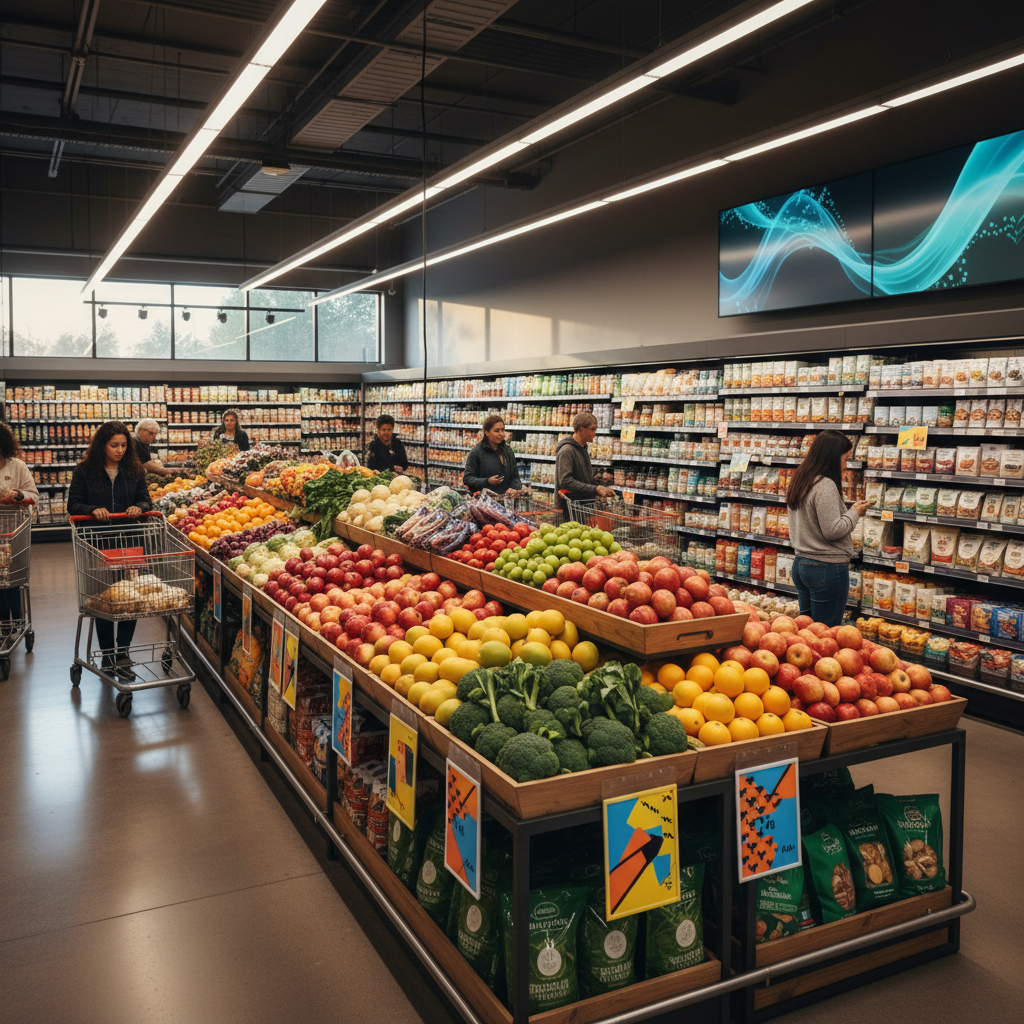
Supermarket Price Changes 2025.
Supermarket Price Changes 2025
Food shopping in 2025 feels very different to just a few years ago. Trolleys are not only fuller of labels like “price lock” and “member price”, they are also shaped by energy costs, climate pressures and shifting global trade. If your weekly shop feels unpredictable, you are not imagining it. Supermarket pricing has entered a new, restless phase.
This guide breaks down what is changing, why it matters for your budget and health, and practical ways to keep good food on the table without feeling like you are constantly sacrificing quality or nutrition.
What Is Driving Food Prices In 2025?
To manage supermarket costs, it helps to understand the forces pushing prices up or down. In 2025, several powerful trends are overlapping.
1. Energy And Transport Costs
Food does not exist in isolation. Every step from farm to fork uses fuel, electricity or both. When energy prices jump, so do the hidden costs inside each product.
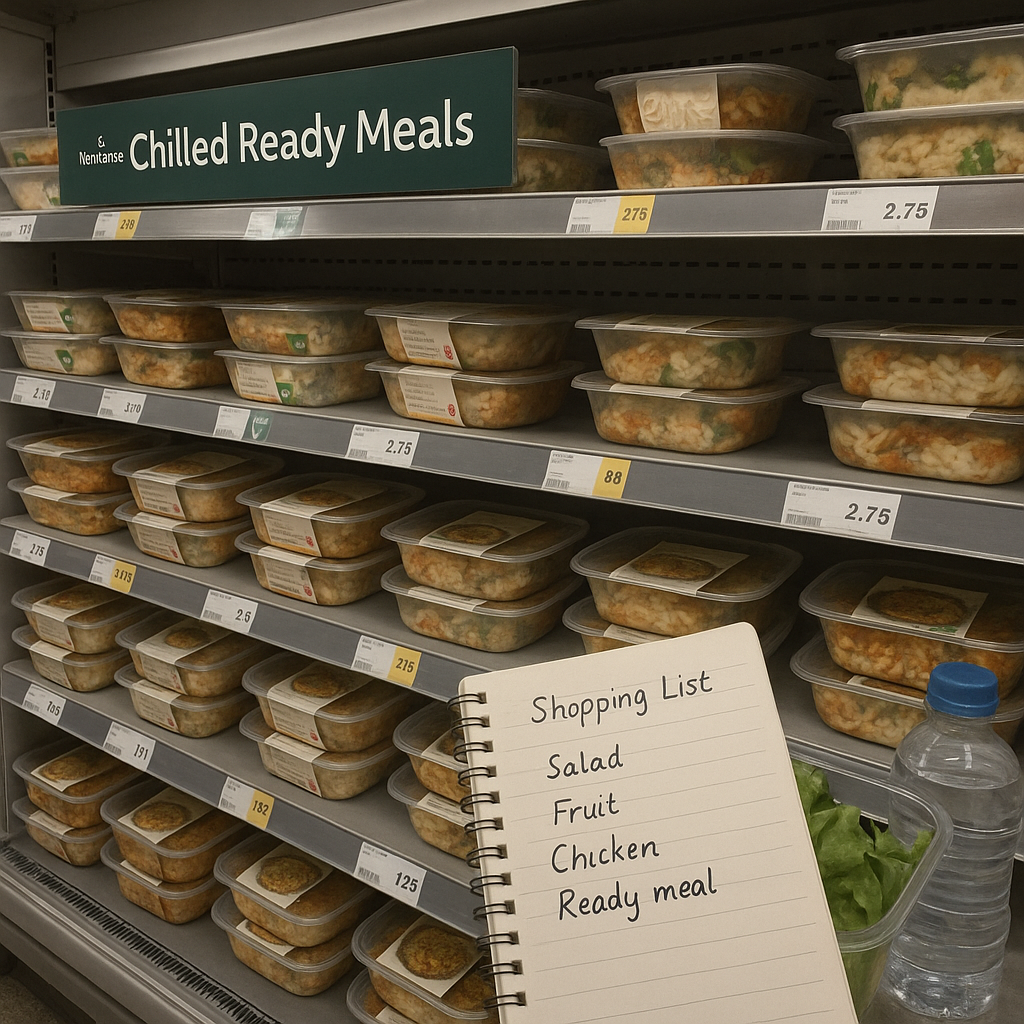
Chilled and frozen foods are particularly vulnerable because they require constant refrigeration in storage and transport.
Heavier and more processed items often carry higher energy footprints, especially ready meals and ultra processed snacks.
Imported produce reflects global shipping costs, port delays and changes in trade agreements.
You might see subtle shrinkflation, such as slightly smaller packs, or more obvious price jumps on items like cheese, butter, yoghurts and ready meals that rely on cold chains and processing.
2. Climate And Seasonal Disruption
Weather extremes are no longer rare, so prices for fruits, vegetables and grains can swing more quickly. A heatwave in Spain or flooding in the UK can ripple through prices within weeks.
Fresh fruit and vegetables that rely on very specific growing regions can spike in price if harvests are poor.
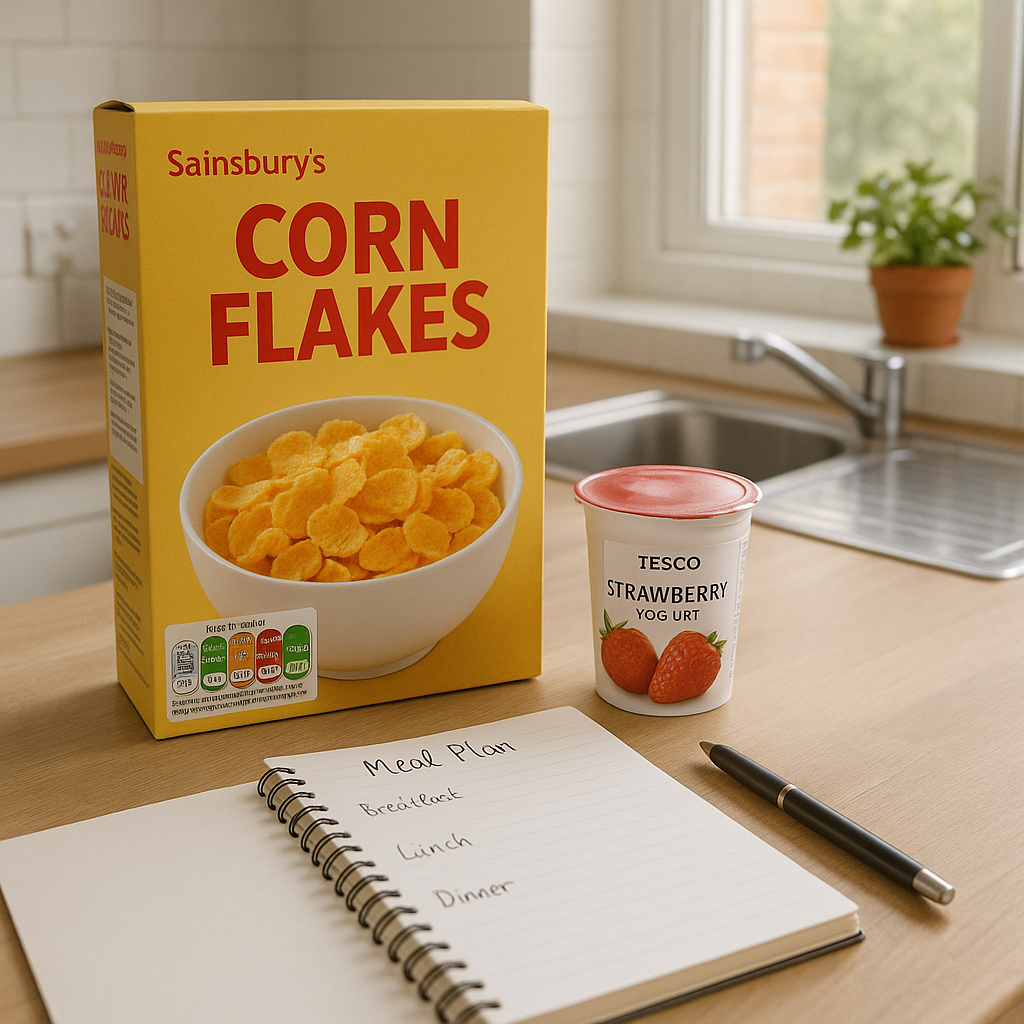
Grain based foods such as bread, pasta and cereals may rise if global harvests are disrupted or export restrictions appear.
Animal products are affected twice, through feed costs and weather impacts on livestock.
This is one reason supermarkets are leaning harder on frozen and tinned lines. They store well, insulate against poor harvests and help retailers stabilise prices over longer periods.
3. Labour, Packaging And Regulation
Wage increases, new recycling rules and tighter food standards all influence your bill, even if you never see them on the label.
Recyclable and lighter packaging can cut waste but may briefly raise costs while supply chains adjust.
Higher minimum wages for farm, factory and shop workers raise production costs, although they also support household incomes overall.
Stricter health regulations on salt, sugar and additives affect recipes, reformulation and marketing budgets.
These shifts can make some brands more expensive while others quietly reformulate and seek efficiency to hold prices steady.
4. Loyalty Schemes And Digital Pricing
One of the biggest changes in 2025 is not the shelf price itself, but how that price is presented.
Member pricing now dominates supermarket promotions. The best deals often require an app or loyalty card.
Dynamic pricing uses digital shelf labels and data, so some prices can move more quickly in response to demand, stock levels or time of day.
Online versus in store prices are more closely aligned, but fees and delivery slots affect the final bill.
This can feel confusing, but you can turn it to your advantage once you understand how these systems work.
How Price Changes Are Affecting Different Foods
Not all foods are rising at the same rate. Some are relatively stable, others swing sharply. Knowing which is which helps you plan smarter swaps.
More Volatile
Fresh berries and salads are highly seasonal and sensitive to imported supply. Prices can jump week by week.
Cheese, butter and yoghurts feel every change in dairy farming costs, feed prices and refrigerated transport.
Olive oil and speciality oils are exposed to harvest failures and geopolitical tension, and have already seen steep rises.
Premium cuts of meat showcase higher farming and feed costs, as well as consumer demand around holidays.
More Stable (Or Easier To Control)
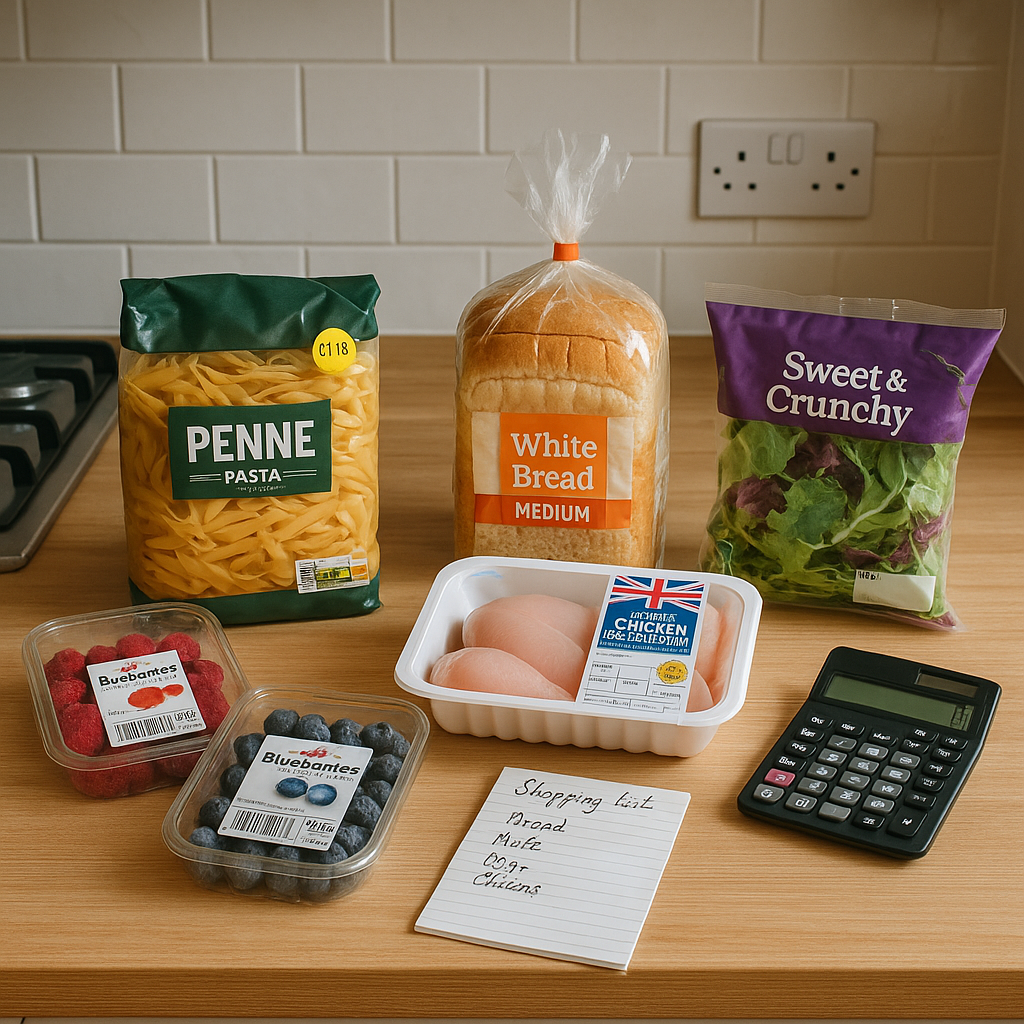
Dried staples such as oats, rice, pasta, lentils and beans usually move more slowly in price and store well.
Tinned tomatoes, beans and fish provide consistent value and longer shelf life, with relatively modest changes across the year.
Frozen fruit and vegetables bypass some of the worst seasonal swings and can be significantly cheaper per portion than fresh.
Own label basics often remain the last to rise and the first to be promoted when retailers want to compete on value.
Healthy Eating On A 2025 Budget
Rising prices do not have to mean a less nutritious diet. It does mean being deliberate, organised and occasionally flexible about brands and formats.
1. Build Your Meals Around Stable Staples
Use relatively stable foods as the backbone of your weekly plan, then add whichever fresh items are on offer.
Base meals on oats, wholemeal pasta, brown rice, potatoes, lentils and beans.
Add frozen mixed vegetables or spinach when fresh is expensive.
Use tinned tomatoes and pulses as the starting point for soups, stews and pasta sauces.
With these in your cupboard and freezer, you are less at the mercy of weekly fluctuations in fresh produce prices.
2. Mix Fresh, Frozen And Tinned For Balance
Many people still see frozen and tinned foods as second best, but they can be highly nutritious and far better value.
Frozen vegetables are usually picked at peak ripeness, then quickly frozen. They keep their vitamins well and they do not wilt in the fridge.
Tinned fish such as sardines, mackerel and salmon provides protein and omega 3 fats at a fraction of the price of many fresh fillets.
Tinned beans and chickpeas are convenient, cheap and rich in fibre and minerals.
Try thinking of fresh fruit and veg as a flexible extra. Buy what is in season and on offer, and lean on frozen and tinned options to fill any gaps.
3. Plan Around The Price Cycle
In 2025, promotions can feel less obvious, but the cycle still exists. You can use it instead of letting it use you.
Identify 5 to 10 regular items you buy most weeks, such as milk, bread, eggs, oats, yoghurt and bananas.
Track their prices over a month or two, either in a notes app or through your supermarket account history.
When your core items are discounted, buy a little extra within reason and rotate your stock.
This small habit helps smooth out the bumps and lets you avoid paying top price for items you use every day.
4. Shop Own Label With Confidence
Supermarket own label products have improved significantly. In many categories they match or even exceed the big brands on quality and nutrition.
Start with simple ingredients such as oats, dried pasta, rice, tinned tomatoes, flour and herbs. These are often virtually identical to branded versions.
Compare nutrition labels as well as price. Look for lower salt and sugar, and avoid long lists of unnecessary additives.
Try mid tier own label ranges for items like yoghurt, cheese and bread if the very cheapest taste too basic.
Each brand you comfortably switch to own label can shave several pounds off your monthly food bill without harming nutrition.
5. Use Loyalty Schemes Without Being Led
Loyalty cards are central to supermarket pricing in 2025, but they work best when you stay in control.
Register for loyalty schemes at the supermarkets you already use, just to avoid missing member only prices.
Check unit prices even on loyalty deals. A bright yellow label does not always mean the best value.
Treat coupons like cash. Only use them on things you genuinely need or would have bought anyway.
If a loyalty offer tempts you into buying far more snacks, sweets or drinks than usual, your budget and nutrition both suffer, however impressive the discount looks.
Practical Tips To Keep Your Shop Affordable
1. Master The Unit Price
Supermarkets are legally required to show a unit price, such as price per 100 g or per litre. This is your best weapon against price confusion and shrinkflation.
Always compare unit price, not the headline price. A bigger pack is not always cheaper per portion.
Watch out for odd pack sizes that make maths awkward. The unit label cuts through the trick.
Check unit prices on multi buys. Sometimes a two for offer is more expensive than simply buying one larger pack.
Taking an extra second to read the small print can save pounds over the course of a month.
2. Use A Flexible Meal Framework
Rigid meal plans can fall apart when prices spike. A flexible framework works better in a world of shifting costs.
Try something like:
2 pulse based meals each week (for example lentil dhal, bean chilli, chickpea curry).
2 poultry or egg based meals such as frittata, tray bake chicken or stir fry.
1 fish based meal using tinned or frozen fish if fresh is costly.
1 red meat meal or less if prices are high or you prefer to cut back.
1 leftover night to clear the fridge and avoid waste.
Then choose the specific recipes based on what is on offer or reduced that week.
3. Shop The Reduced Section Wisely
Yellow sticker hunting has become almost a sport, but it can be very useful if you stay disciplined.
Go with a clear list and buy only what you can freeze, cook that day or genuinely need.
Prioritise protein rich items like meat, fish, tofu and cheese, and portion them into the freezer.
Be cautious with heavily processed reduced items such as bakery treats and desserts, which can quietly blow both budget and health goals.
A freezer stocked with reduced price protein and bread can transform your flexibility for the month ahead.
4. Guard Against Hidden Upsells
Price changes do not always look like a simple increase. Sometimes value is lost in more subtle ways.
Watch for smaller packs at the same price. If your usual yoghurt is now 400 g instead of 450 g, adjust how long you expect it to last.
Be wary of bundle deals that encourage you to buy two or three of something sugary or salty just to save a little.
Notice when cheap add ons near the till or in the app creep into your basket out of habit.
Each of these tactics is designed to nudge you towards a higher overall spend. Awareness is half the battle.
Balancing Cost, Nutrition And Time
One of the quiet realities of 2025 is that households are not just short on money, they are often short on time and energy as well. Convenience foods fill a real need, but they can be pricey and less nutritious.
1. Batch Cooking As A Modern Tool
Batch cooking is not about spending all Sunday in the kitchen. Think of it as small, smart repeats that save money, time and electricity.
Cook double portions of simple meals such as bolognese, chilli or soup, then freeze half.
Prepare one base such as a tomato sauce, then use it for pasta, shakshuka or a bean stew in different nights.
Chop extra vegetables when you already have the board and knife out, then freeze for quick use later.
This approach cuts waste, controls portions and gives you your own ready meals at a fraction of the cost.
2. Simple, Budget Friendly Meal Ideas
Here are a few frameworks that adapt well to weekly price changes.
Oat based breakfasts: Porridge with frozen berries, peanut butter and a drizzle of honey. Overnight oats with grated apple and cinnamon.
Pulse heavy lunches: Lentil soup with carrots and celery. Chickpea and tuna salad with tinned sweetcorn and a yoghurt dressing.
Tray bakes: Chicken thighs or tofu cubes with potatoes, carrots, onions and any seasonal vegetable, roasted together with herbs.
Stir fries: Frozen mixed vegetables plus noodles or rice and a simple soy, ginger and garlic sauce, topped with egg or tofu.
Each one leans on cheaper staples, uses flexible vegetables and avoids expensive ingredients without sacrificing flavour.
What To Expect For The Rest Of 2025
No one can predict every price move, but some trends for the rest of 2025 look fairly clear.
Loyalty pricing will become even more central, and those without a card or app may pay noticeably more.
Dynamic digital pricing is likely to spread, so prices may adjust more frequently, especially close to expiry dates.
Own label ranges will keep expanding, particularly in plant based and high protein categories.
Promotions on fresh produce may focus on seasonal gluts, so expect big savings on specific items at short notice.
The most resilient shoppers will be those who stay flexible about brands, recipes and where they buy specific items, while staying firm on the overall food budget and nutrition goals they want to protect.
Key Takeaways For Smarter Shopping In 2025
Understand that energy, climate and labour costs sit behind many price changes, particularly for chilled and imported foods.
Lean on staples like oats, pulses, rice, pasta, tinned tomatoes and frozen vegetables to keep meals nourishing and affordable.
Use loyalty schemes for genuine discounts, but let unit prices, not bright labels, guide your choices.
Plan meals with flexibility so you can swap ingredients depending on what is on offer each week.
Protect your health by favouring basic ingredients and minimally processed foods, even when tempted by cheap multi buys on snacks and sweets.
Supermarket price changes in 2025 can feel relentless, but they are not unbeatable. With a little planning, a sharp eye for value and a willingness to mix fresh, frozen and tinned foods, you can continue to eat well while keeping your budget intact.
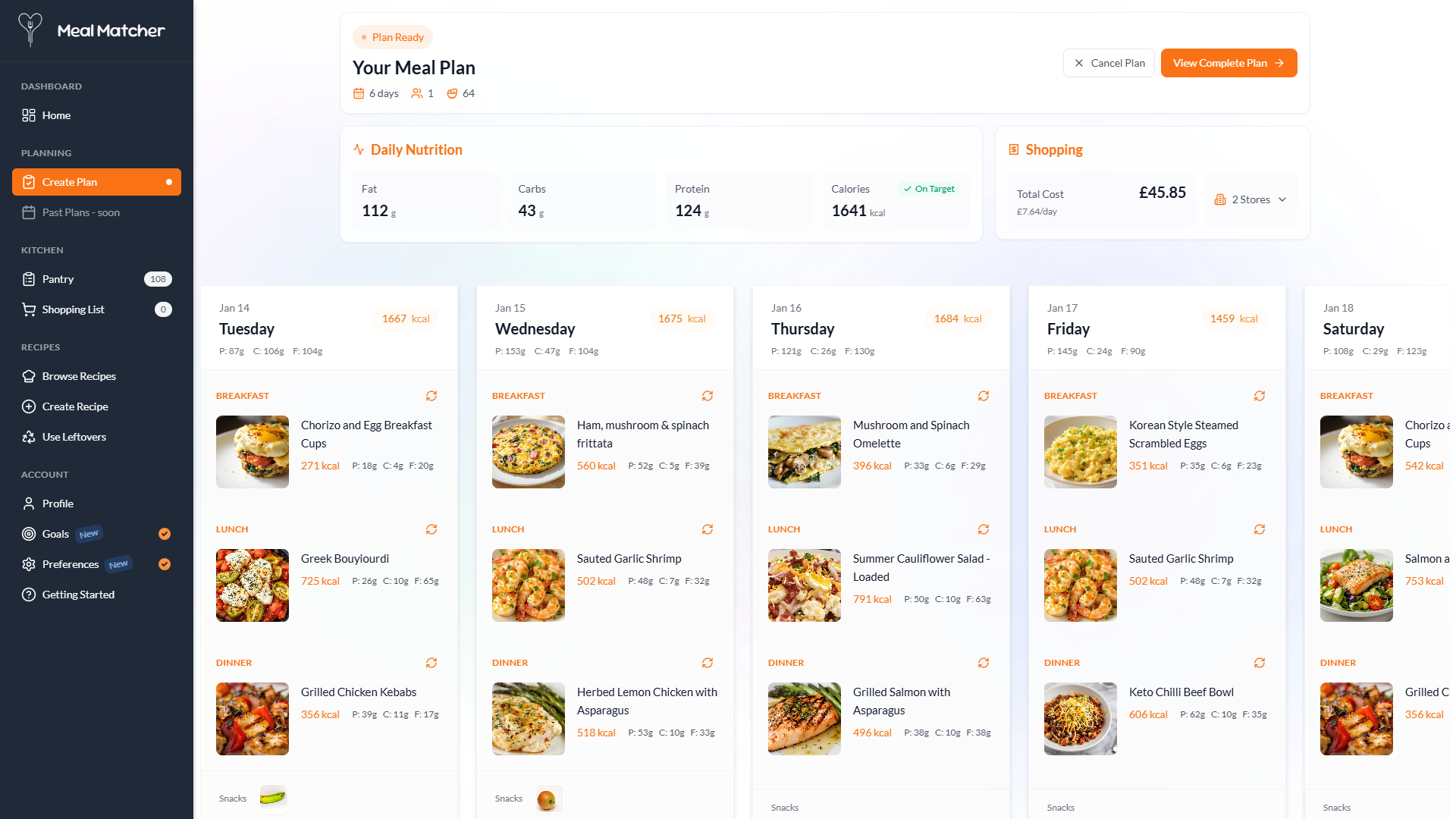
Stop planning meals in your head
Turn what you just read into an actual week of meals.
Meal Matcher builds a personalised week around your calories, diet, allergies and dislikes, then turns it into one organised UK shopping list.