
UK Supermarket Price Comparison Tool vs Shopping List App: Which Saves More?
Quick Answer
A UK supermarket price comparison tool usually saves more when you regularly switch shops and buy branded staples. A shopping list app often saves more for busy households that overspend through poor planning, forgotten ingredients and impulse buys. For most people, using both together saves the most overall.
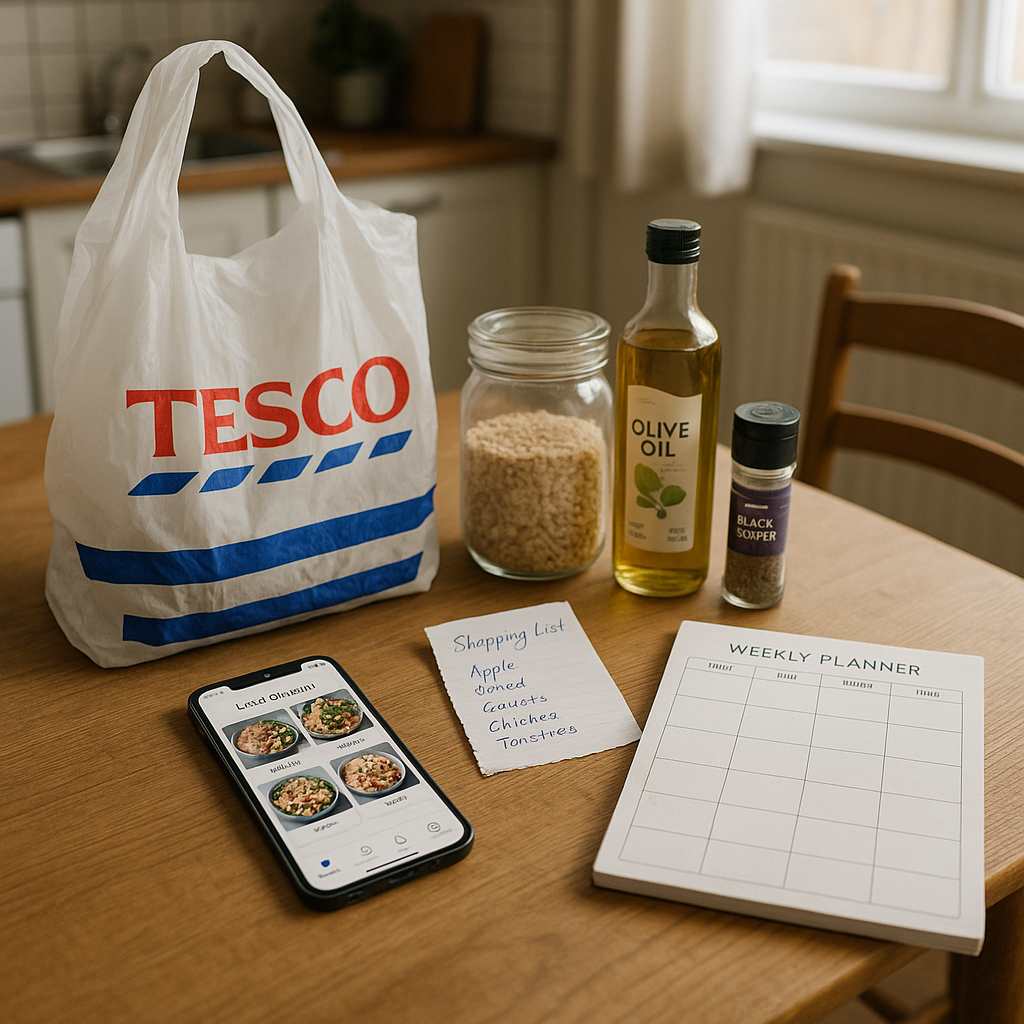
If you are trying to cut your grocery bill, the choice between a UK supermarket price comparison tool and a shopping list app matters. They solve different problems, and the one that saves you more depends on how you shop. A price comparison tool helps you find lower prices across retailers, while a shopping list app helps you plan, avoid duplicates and reduce impulse spending before you get to the checkout.
What is the difference between a price comparison tool and a shopping list app?
A supermarket price comparison tool shows you where products cost less across different UK retailers. Its main job is to help you compare item prices, spot cheaper alternatives and decide where to shop.
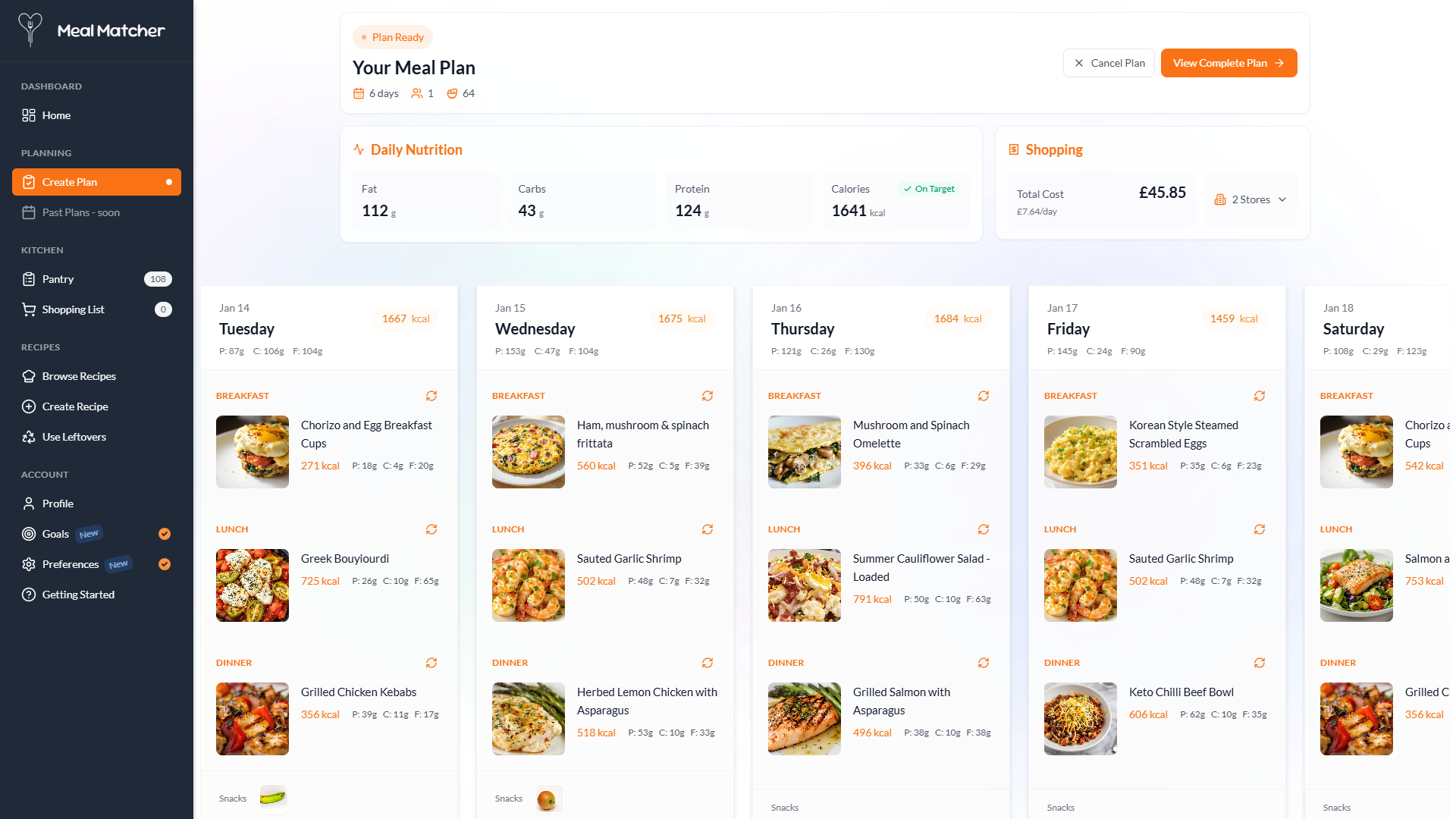
A shopping list app is more about planning. It helps you organise meals, keep track of what you need, avoid buying the same thing twice and stick to a list when shopping online or in store.
Price comparison tool, best for checking who sells the same or similar items for less
Shopping list app, best for reducing waste, forgotten items and unplanned spending
Using both, best for households that want price visibility and better habits
Which tool saves more money in real life?
In real life, the bigger saving often comes from fixing the habit that costs you the most.
If you already shop with a plan and rarely buy extras, a price comparison tool can help trim costs by shifting your basket to a cheaper supermarket or by swapping expensive items for lower-cost options.
If your problem is buying without a plan, forgetting what is at home, or adding random extras, a shopping list app may save more. Small unplanned purchases add up quickly, especially across a full month.
Put simply, price comparison cuts item cost, while a shopping list app cuts waste and impulse buying. The better saver depends on where your money leaks out.
When does a UK supermarket price comparison tool save the most?
A price comparison tool tends to work best in a few specific situations.
You are willing to shop at more than one supermarket
You buy many branded items with larger price gaps between retailers
You shop online and can switch baskets easily
You want to compare own-brand alternatives before buying
You keep a close eye on weekly offers and price changes
This kind of tool is especially useful when you have a repeat basket of staples, such as cereal, yoghurt, tinned tomatoes, pasta, bread and cleaning products. If those items vary in price from shop to shop, the savings can be clear.
The limitation is practical. A cheaper basket on screen does not always mean a cheaper shop overall if you need to pay for delivery, travel to another store, or make a second trip for missing items.
When does a shopping list app save the most?
A shopping list app usually saves more when your main issue is not price checking but day-to-day organisation.
You often forget ingredients and make extra top-up trips
You buy duplicates because you cannot remember what is at home
You plan meals loosely and end up ordering takeaways
You shop while hungry, rushed or distracted
You want to coordinate shopping with a partner or family
For many households, these are the more expensive habits. An app that keeps your meals, ingredients and weekly shopping list in one place can stop overspending before it starts. It also reduces food waste, which is often a hidden part of the grocery budget.
Why do shopping habits matter more than the tool itself?
Two people can use the same app and get very different results. The tool helps, but your routine decides the outcome.
If you check prices but still buy extras, the savings disappear. If you make a list but never open it in the shop, it will not help much either. The strongest savings usually come from a repeatable routine:
Plan meals for the week.
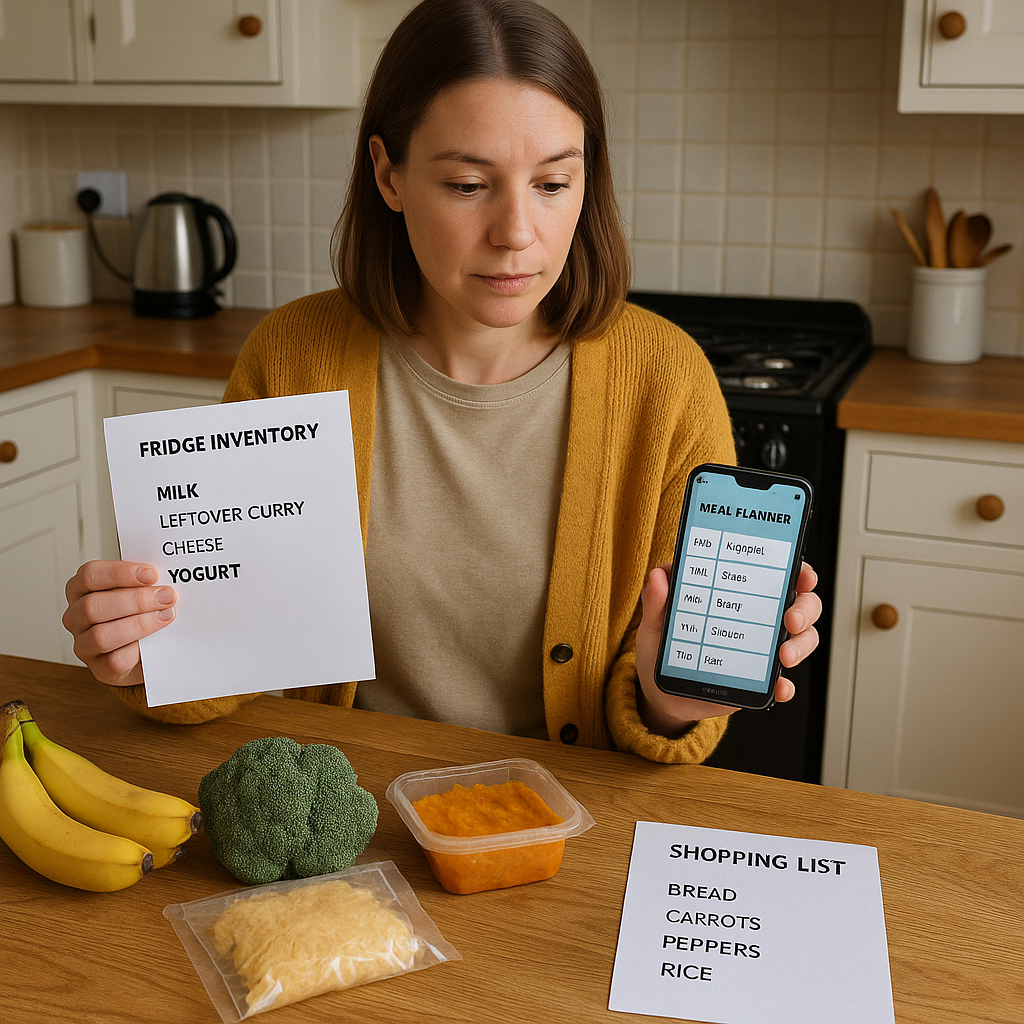
Check what is already in the fridge, freezer and cupboards.
Build a list from the meals you actually intend to cook.
Compare key items if you are flexible about where to shop.
Stick to the list as closely as possible.
This is where a meal planning focused shopping list app can be more useful than a basic notes app. It helps connect meals, ingredients and spending decisions in one place.
How to decide which one will save you more
Look at your last three grocery shops. Check whether the bigger problem was high item prices or too many extras.
Track top-up shops. If you keep going back for missed items, planning is probably the issue.
Review wasted food. If food is often thrown away, a list and meal plan will usually save more than price checking.
Check how often you switch supermarkets. If you are loyal to one shop and unlikely to change, a comparison tool may have less impact.
Test one method for two weeks. Use a comparison tool for one fortnight or a list app for another, then compare spend and waste.
Is it better to use both together?
Yes, in many cases. The most reliable savings often come from combining the strengths of both tools.
Use a shopping list app to plan meals, share the list and avoid unnecessary buys. Then use a supermarket price comparison tool to sense-check the cost of your core basket or compare substitute products.
This works particularly well for families, batch cooks and anyone trying to shop to a fixed weekly budget. Planning reduces waste, and price checking trims the cost of what you genuinely need.
What should UK shoppers prioritise first?
If you are starting from scratch, prioritise the tool that fixes your biggest source of overspending.
Choose a price comparison tool first if you already plan well and want the lowest basket cost
Choose a shopping list app first if you need help organising meals, reducing waste and avoiding impulse buys
Choose both if your budget is tight and you want a more complete system
For many home cooks, a shopping list app is the stronger first step because it changes behaviour, not just basket price. Once that habit is in place, price comparison becomes more useful.
Frequently asked questions
Can a shopping list app really save more than comparing supermarket prices?
Yes, if your main issue is overspending through poor planning. Avoiding duplicate purchases, reducing food waste and cutting top-up shops can save more over a month than chasing a few lower item prices.
Are supermarket price comparison tools better for online grocery shopping?
Often, yes. Online shopping makes it easier to compare baskets, swap products and switch retailers without the time and travel involved in visiting different stores.
What is the best option for families on a budget?
Families often benefit most from using both. A shared shopping list keeps everyone aligned, while price comparison helps lower the cost of regular staples and household basics.
Which should I use if I want to waste less food?
A shopping list app is usually the better choice. It helps you plan meals around what you already have and buy only what you are likely to use that week.
What is the bottom line?
If you are asking whether a UK supermarket price comparison tool or a shopping list app saves more, the honest answer is that each saves money in a different way. Comparison tools lower the price of what you buy. Shopping list apps help you buy less of what you do not need. If you want the strongest result, start with the tool that matches your weak spot, then combine both for better long-term savings.
Stop planning meals in your head
Turn what you just read into an actual week of meals.
Meal Matcher builds a personalised week around your calories, diet, allergies and dislikes, then turns it into one organised UK shopping list.