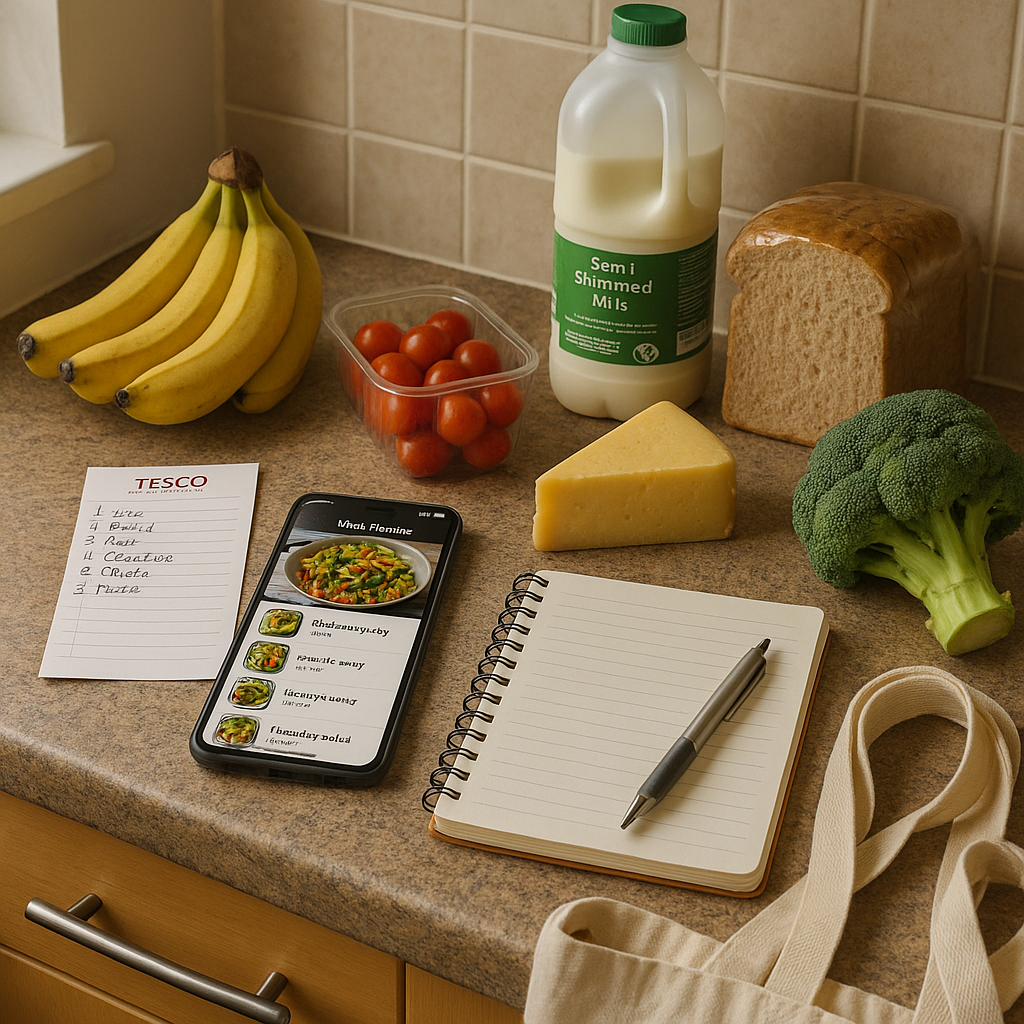
Best meal planning apps for Tesco shoppers in 2026: what to look for beyond Tesco's own AI push
Quick Answer
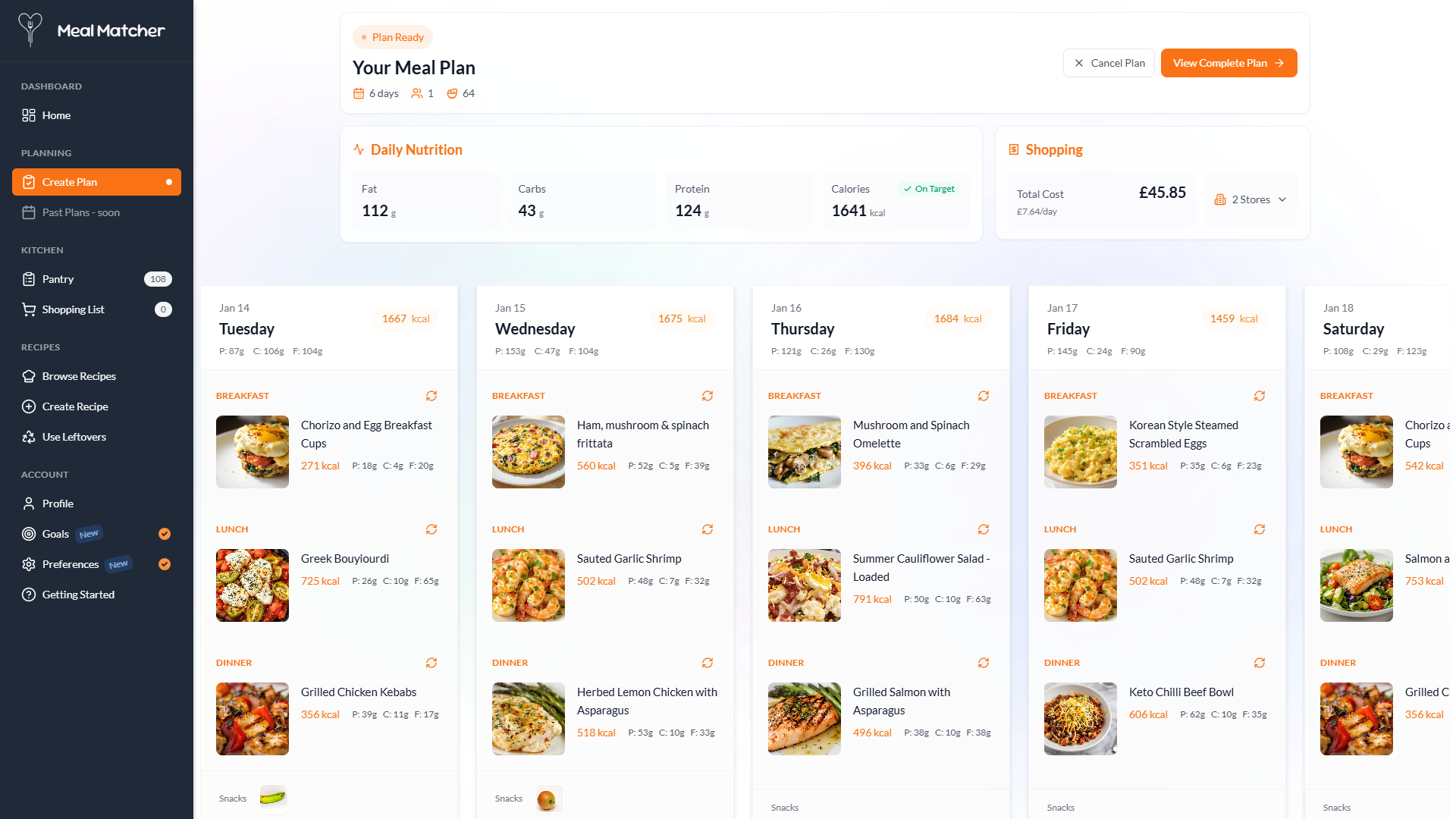
If you mainly buy everything at Tesco, start with Tesco's own meal-planning direction and see whether it covers your weekly shop. If you want better ingredient matching, more control over budget and leftovers, or flexibility across supermarkets, a dedicated planner like Meal Matcher is usually the better fit. The key is not the label on the app, but how well it handles real shopping.
If you shop at Tesco and keep meaning to sort your weekly meals properly, the right tesco meal planner app can save a lot of faff. The catch is that Tesco's own in-app AI direction is only one option. For many households, the better choice is the app that matches recipes to what you already cook, builds a sensible shopping list, and works across more than one supermarket.
What should a Tesco shopper expect from a meal planning app?
The best app for Tesco shoppers should help with three jobs at once: decide what to cook, turn that into a shopping list, and keep the list realistic for a UK household shop. That sounds basic, but it is where many tools fall down. A decent planner should understand recipe ingredients, repeat items across meals, and stop you buying three half-used packs of something you only needed once.
Tesco's own AI push, reported by The Grocer, points towards meal-planning and basket-building inside the Tesco app. Tesco said its AI assistant is in trial, designed to help lighten the load for customers, according to Tesco PLC. Those are reported facts. The practical question is whether Tesco's tools do enough for your household, or whether you need a planner that is more flexible.
How does Tesco's own meal-planning direction compare?
For a Tesco-only shop, an app inside the supermarket experience is convenient. You are already there, the basket is in the right place, and you may prefer fewer logins and fewer steps. That suits people who shop in one supermarket most weeks and want a straightforward path from meal idea to checkout.
Where Tesco's approach may fall short is in comparison and control. A supermarket-first tool is usually built to keep you inside that shop. That is useful if Tesco is your main store, but less helpful if you split your shop between Tesco and somewhere cheaper for a few items. It can also be limiting if you want to plan around what is already in the cupboard, not just what the app suggests.
What features matter most beyond Tesco's own app?
If you are comparing meal planning apps rather than just browsing recipes, these are the features that matter most.
- Ingredient matching: Can you start with chicken thighs, pasta, tins of beans or a nearly empty fridge and get usable meal ideas?
- Shopping-list building: Does the app turn meals into a clear list without duplicating items or burying essentials?
- Price comparison: Can you check whether a basket makes sense before you commit?
- Multi-supermarket flexibility: Useful if you shop at Tesco but top up elsewhere, or move stores when prices shift.
- Family planning: Helpful if you need meals that stretch across two adults, children, packed lunches and leftovers.
- Budget control: Important if you are trying to keep the weekly shop predictable rather than drifting into extras.
That last point matters more than people like to admit. A planner that generates lovely ideas but ignores the basket total is not doing the full job.
Who should stay with Tesco, and who should use a dedicated planner?
Stay with Tesco if you do most of your shopping there, like a simple setup, and mainly want help moving from meal idea to Tesco basket. Tesco's in-app direction makes sense for shoppers who value convenience over fine-tuning.
Use a dedicated planner if you want to build meals around what is already at home, compare shops, or avoid duplicate ingredients. That is where a tool like Meal Matcher's Tesco meal planning app guide becomes useful, because it is built around planning first and supermarket choice second.
Use a broader app comparison if you are still deciding what kind of planner suits your household. The best meal planning app UK guide is the better place to compare different styles of tool, rather than starting from one supermarket's setup.
What does a practical Tesco shopping workflow look like?
Here's the sort of weekly flow that works for many UK households. It is not fancy, but it does cut waste.
- Check what you already have in the fridge, freezer and cupboard.
- Pick three to five meals that share ingredients where possible.
- Use a planner to turn those meals into a shopping list.
- Check whether the list suits a Tesco shop only, or whether any items are better bought elsewhere.
- Trim anything that looks like an impulse buy dressed up as dinner.
For example, if two meals both use peppers and onions, you are less likely to end up with a lonely pepper rolling around the salad drawer. If one meal leaves you with half a bag of spinach, plan the next one to use it up. Meal planning works better when ingredients repeat on purpose.
Meal Matcher's free ingredient matcher is useful here if you want to see what can be made from the food you already have. If you are more focused on the shop itself, the shopping list comparator helps you think about whether the list is tidy enough before you buy.
How should Tesco shoppers think about Aldi and other supermarket alternatives?
There is a reason some shoppers move between Tesco and Aldi rather than sticking to one store all year. A Tesco-focused app may be handy for convenience, but a broader planner gives you more room to react when your usual shop does not suit the week.
If you already split your shopping, it can help to look at how a planner behaves outside Tesco too. For example, Meal Matcher's Aldi meal planning app guide is useful if you want to compare how a different supermarket setup changes the planning approach. The point is not that one store is better for everyone. The point is that your meal planner should not trap you in one way of shopping.
Which gaps matter most when you compare apps?
For Tesco shoppers, the biggest gaps are usually these:
- Too much focus on recipes, not enough on the basket: Pretty meal ideas are less useful if the list is messy.
- No clear way to use what you already own: That usually means more waste and more repeat spend.
- Weak budget handling: If the app cannot help you keep the shop under control, it is only solving half the problem.
- No support for different shops: Fine for one-store households, awkward for everyone else.
That is why Tesco shoppers should compare the whole planning experience, not just whether the app sits inside Tesco's ecosystem. A supermarket app can be convenient. A dedicated planner can be more useful. Those are not the same thing.
Frequently asked questions
Is Tesco's own meal planner enough for most shoppers?
It may be enough if you shop almost entirely at Tesco and want a quick route from meal ideas to a basket. If you need better control over ingredients, leftovers or other supermarkets, a dedicated planner is usually more practical.
What should I look for in a Tesco meal planner app?
Look for ingredient matching, shopping-list building, flexible meal ideas and some way to keep an eye on budget. If it cannot handle the full weekly shop, it will only save you a bit of time.
Can a meal planner help reduce food waste?
Yes, if it helps you plan around what is already in your fridge and cupboard. The useful bit is not the recipe itself, but whether the app nudges you to reuse ingredients before they go off.
Should I pick a Tesco-only app or a multi-supermarket tool?
Pick Tesco-only if you always shop there and want convenience. Pick a multi-supermarket tool if you compare shops, split your basket, or want more control over value. For many households, that flexibility is the difference between using the app and ignoring it after two weeks.
If you are deciding between convenience and control, start with the way you actually shop, not the way an app wants you to shop. Then choose the tool that fits that routine. That is usually the point where planning starts feeling useful rather than like another job.
Stop planning meals in your head
Turn what you just read into an actual week of meals.
Meal Matcher builds a personalised week around your calories, diet, allergies and dislikes, then turns it into one organised UK shopping list.