Cal vs kcal: What’s the Difference?
Quick Answer
A calorie on most food labels actually means a kilocalorie, written as kcal. So if a UK packet says 200 kcal, that means 200 Calories in the American sense. The small calorie, written as cal, is a different unit and is rarely used in everyday food labelling.
If you have ever looked at a food label and wondered about cal vs kcal, you are not alone. The terms are used in different ways, and the confusion gets worse when people compare American labels with British ones. The short version is simple, but the wording around it can be messy.
What does cal vs kcal mean?
In scientific terms, cal is a small calorie and kcal is a kilocalorie, which equals 1,000 small calories. In everyday nutrition, people usually mean kcal when they say calorie. That is why a food label may say 200 kcal, while someone in conversation might call it 200 calories.
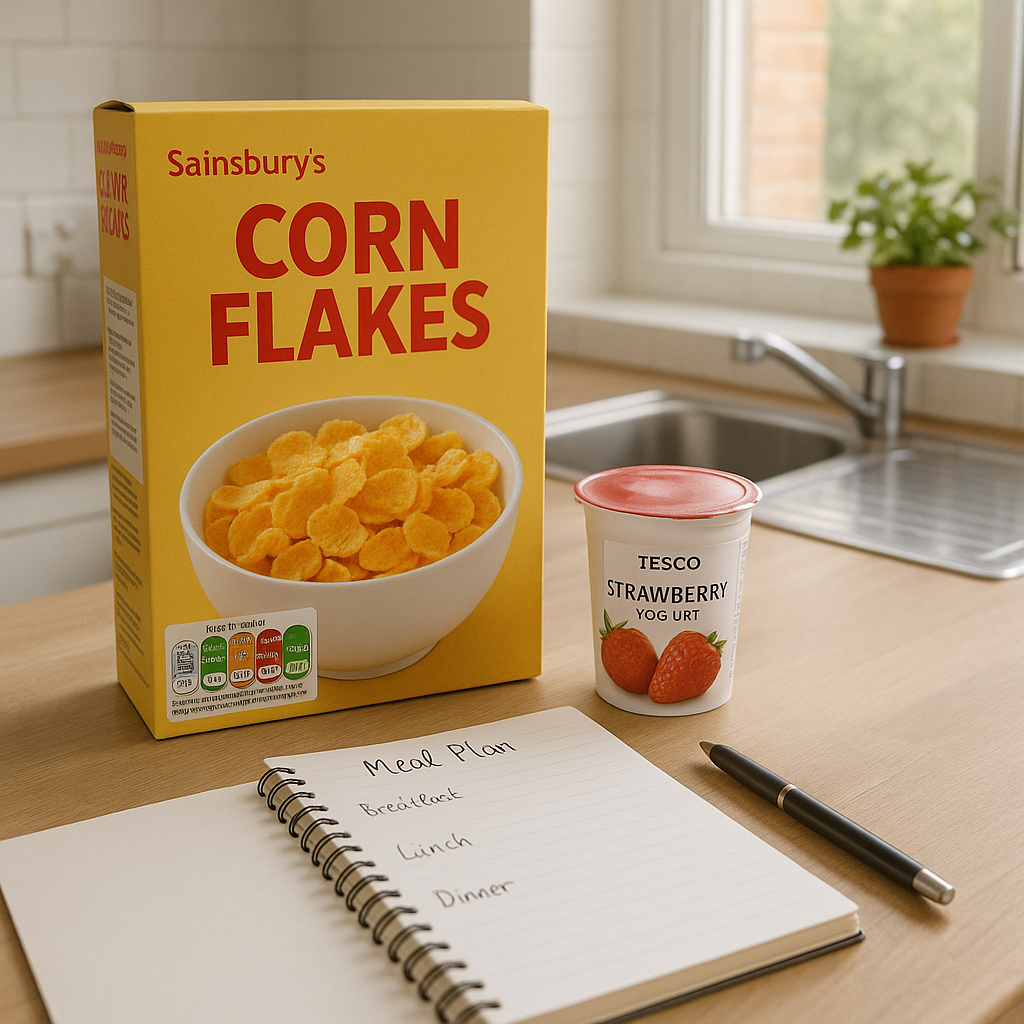
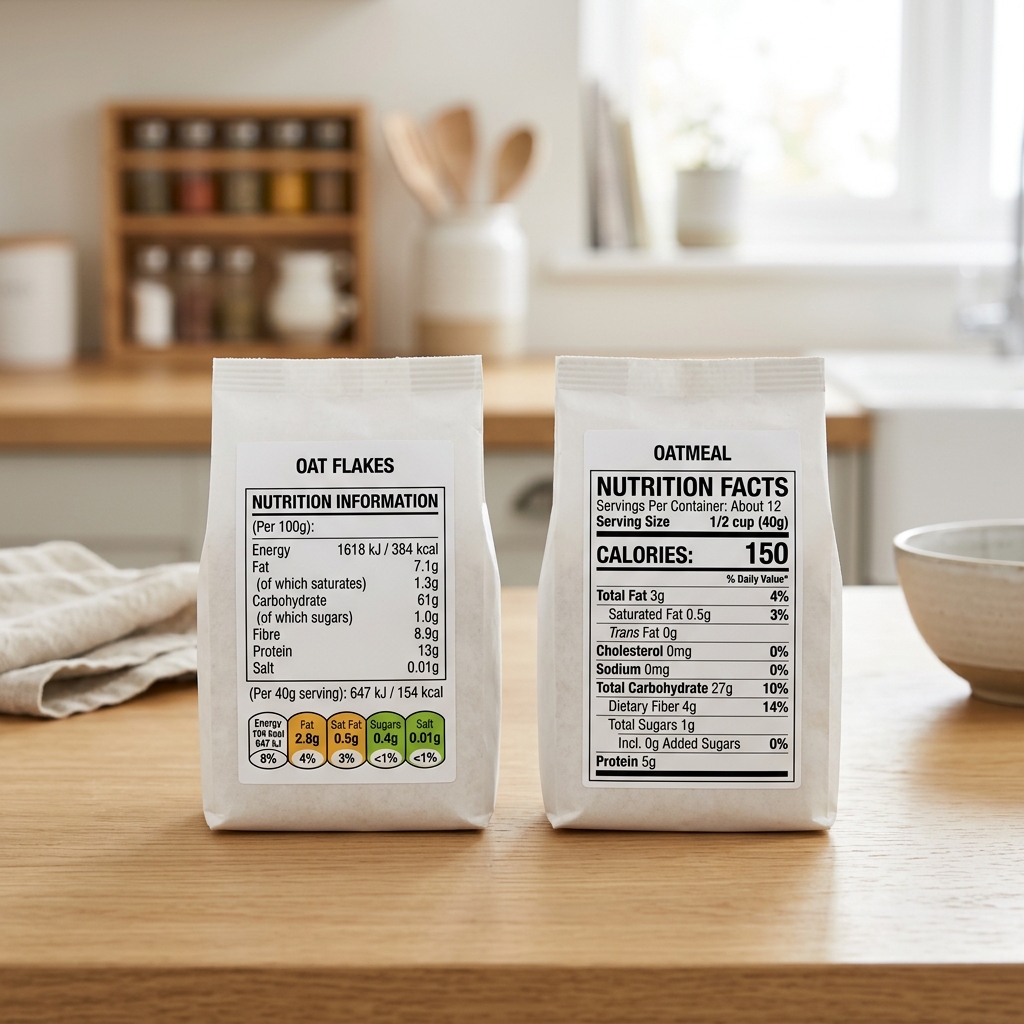
This is where the confusion starts. In the UK and Europe, energy on food labels is usually shown as kJ and kcal. In the US, labels more often say Calories with a capital C. Despite the wording difference, the number is broadly the same thing.
Why do America and England talk about calories differently?
Part of the confusion comes from language. In Britain, people often say calories in everyday speech, but food labels use kcal. In the United States, the label often says Calories, with a capital C, even though it means kilocalories. So when you compare the two countries, the unit name changes, but the energy value does not.
This means a snack with 150 Calories in the US is usually the same as a snack with 150 kcal in the UK. The label style is different, but the energy amount is essentially being measured in the same way.
How do you read food labels without getting confused?
Look at the number first. That is the important part for comparing foods.
Check whether the label uses kcal, Calories, or kJ. UK labels often show both kJ and kcal.
Remember that kcal and Calories usually mean the same thing in food labelling.
Use portion size as well as the calorie number. A small serving and a large serving can look very different.
Do not worry about the small calorie, cal, unless you are dealing with scientific measurements.
What is the difference between kJ and kcal?
kJ stands for kilojoules and is another way of measuring energy. Some countries prefer kJ, others prefer kcal. On UK labels, both are often shown so that people can compare more easily. As a rough guide, 1 kcal is equal to about 4.2 kJ.
If you are trying to compare a British label with an American one, the kcal or Calories figure is usually the one to focus on first.
Why does this matter for everyday eating?
Knowing the difference between cal and kcal helps when you are checking labels, tracking intake, or comparing products from different countries. It can also stop simple misunderstandings when recipes, apps, or fitness trackers use different terms.
For UK food shopping: look for kcal on the pack.
For US products: Calories with a capital C usually match kcal.
For science or technical contexts: cal and kcal are not the same unit.
What should UK home cooks remember?
If you are cooking at home, the main thing is consistency. Use one reference system when you are planning meals or tracking intake, and do not mix up cal with kcal. For most everyday purposes, the food label number is what matters, not the exact wording around it.
Frequently asked questions
Is 1 calorie the same as 1 kcal?
No. In technical terms, 1 kcal equals 1,000 small calories, written as cal. In food labelling, though, people often say calorie when they really mean kcal. That is why the terms can sound interchangeable in everyday use.
Why do US labels say Calories with a capital C?
Because the capitalised Calories on American food labels refer to kilocalories. It is a convention rather than a different unit, which is why the number usually matches the kcal figure you see on UK packaging.
Should I worry about cal vs kcal when counting food?
Usually not, as long as you know which system your label or app is using. The bigger risk is mixing up units and thinking you have eaten far more or far less than you actually have.
Do British recipes use cal or kcal?
Most British recipes, nutrition panels, and diet guides use kcal, even if people casually say calories. If you see cal in a recipe or article, check the context carefully, because it may be using the scientific unit rather than the food label term.
Final note
The easiest way to think about cal vs kcal is this, kcal is the unit you will usually see on food labels, while cal is the smaller scientific unit. When comparing America and England, the label wording changes more than the underlying measurement does.
Stop planning meals in your head
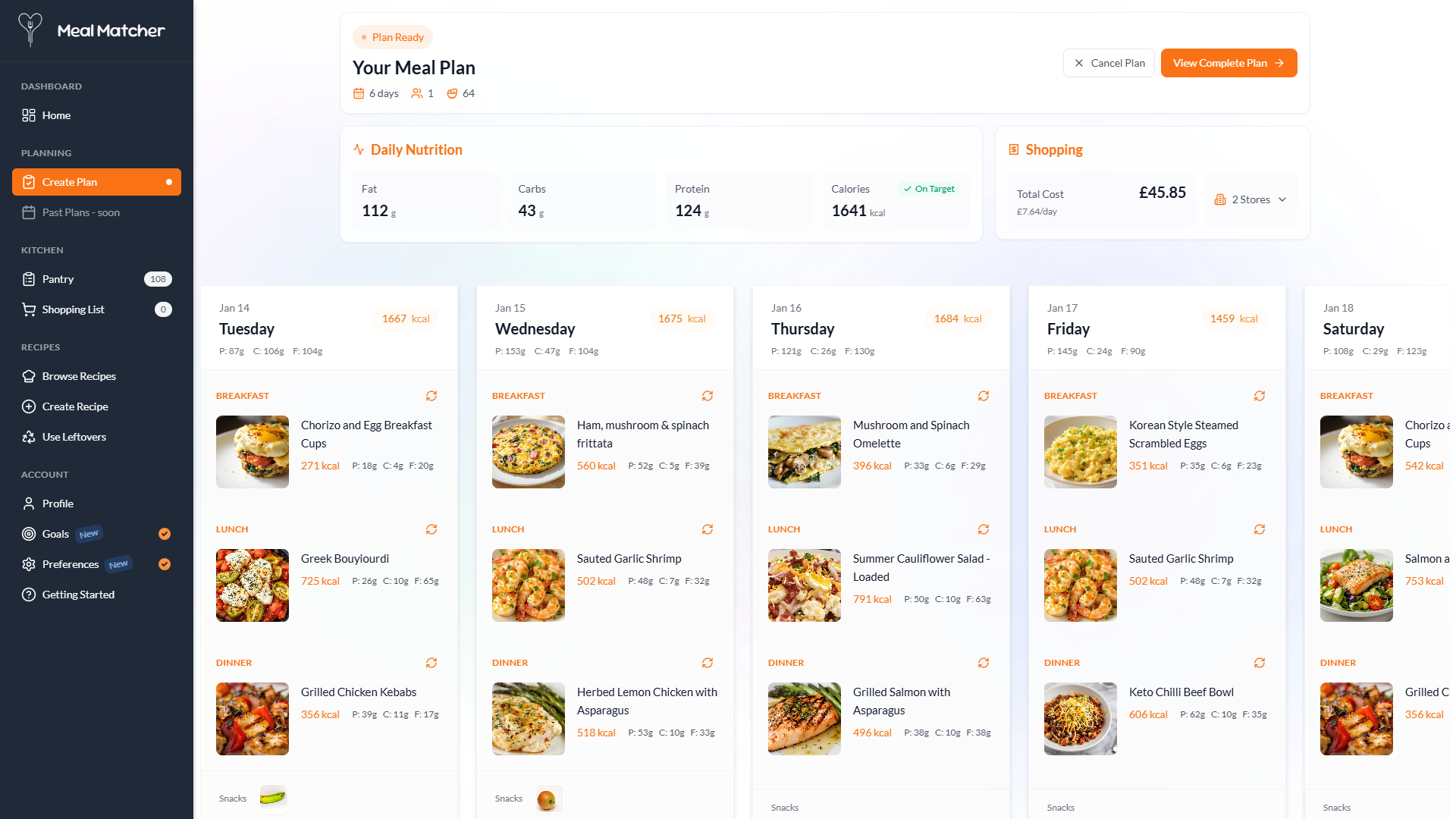
Turn what you just read into an actual week of meals.
Meal Matcher builds a personalised week around your calories, diet, allergies and dislikes, then turns it into one organised UK shopping list.