
Recipe finder by ingredients in the UK: why searchers want a planner, not just a list of recipes
Quick Answer
A good ingredient-first tool should do more than match recipes to a few leftovers. For UK home cooks, the useful bits are supermarket-friendly ingredient handling, shopping list generation, dietary filters, family-sized planning, and speed. If a tool cannot help with those jobs, it is probably a search box with recipes attached.
If you are searching for a recipe finder by ingredients in the UK, you usually do not just want a random list of dishes. You want a tool that helps you cook what is already in the fridge, plan the rest of the week, and keep the shopping list under control. That is where a proper ingredient-first planner starts to matter more than basic recipe search.
What is the difference between a recipe finder and a planner?
A simple recipe finder answers a narrow question:
Why UK shoppers need supermarket-friendly ingredient handling
In the UK, ingredient-first searching works best when the tool understands the way people actually shop. A useful planner should cope with common supermarket pack sizes, because many ingredients are sold in units that do not line up neatly with a single recipe. If you buy one pack of mushrooms, a bag of potatoes, or a four-pack of wraps, the tool should help you use the rest of that pack in the next meal rather than leaving you with vague leftovers.
This is where a planner beats a simple list of recipes. A recipe list may tell you what you could cook tonight, but it does not help you turn the same ingredients into two or three meals across the week. For a UK household, that matters because the shopping trip is usually tied to a weekly plan, not just one dish. A proper ingredient matcher should make it easier to decide what to buy once and how to use it more than once.
Shopping lists, leftovers, and less duplication
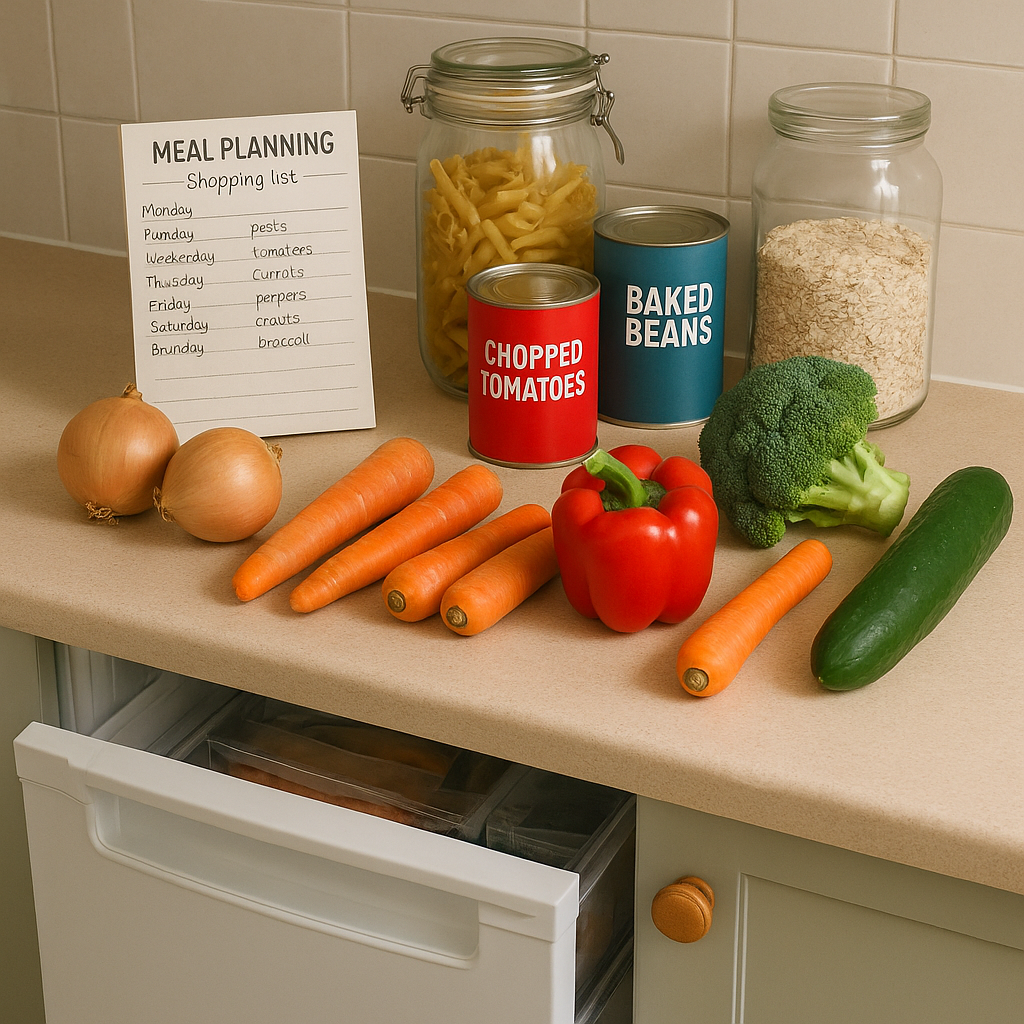
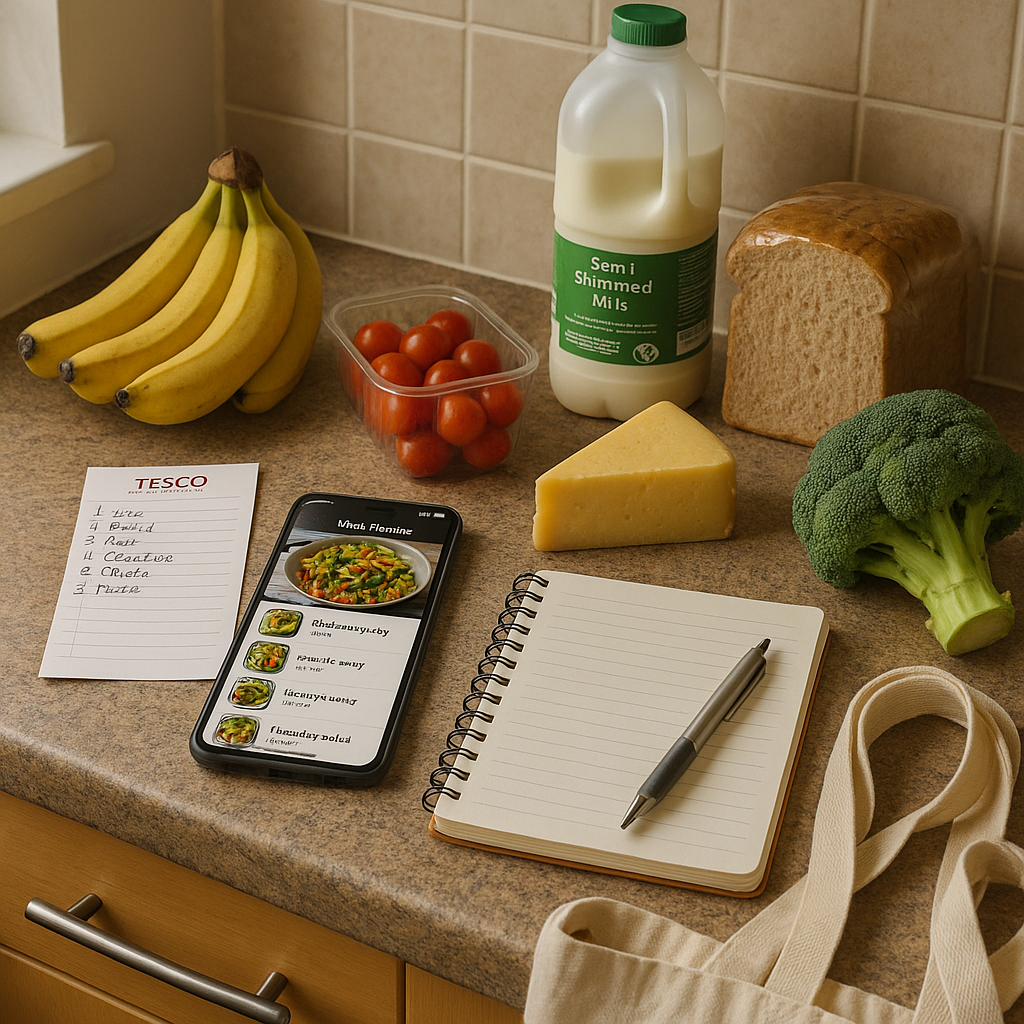
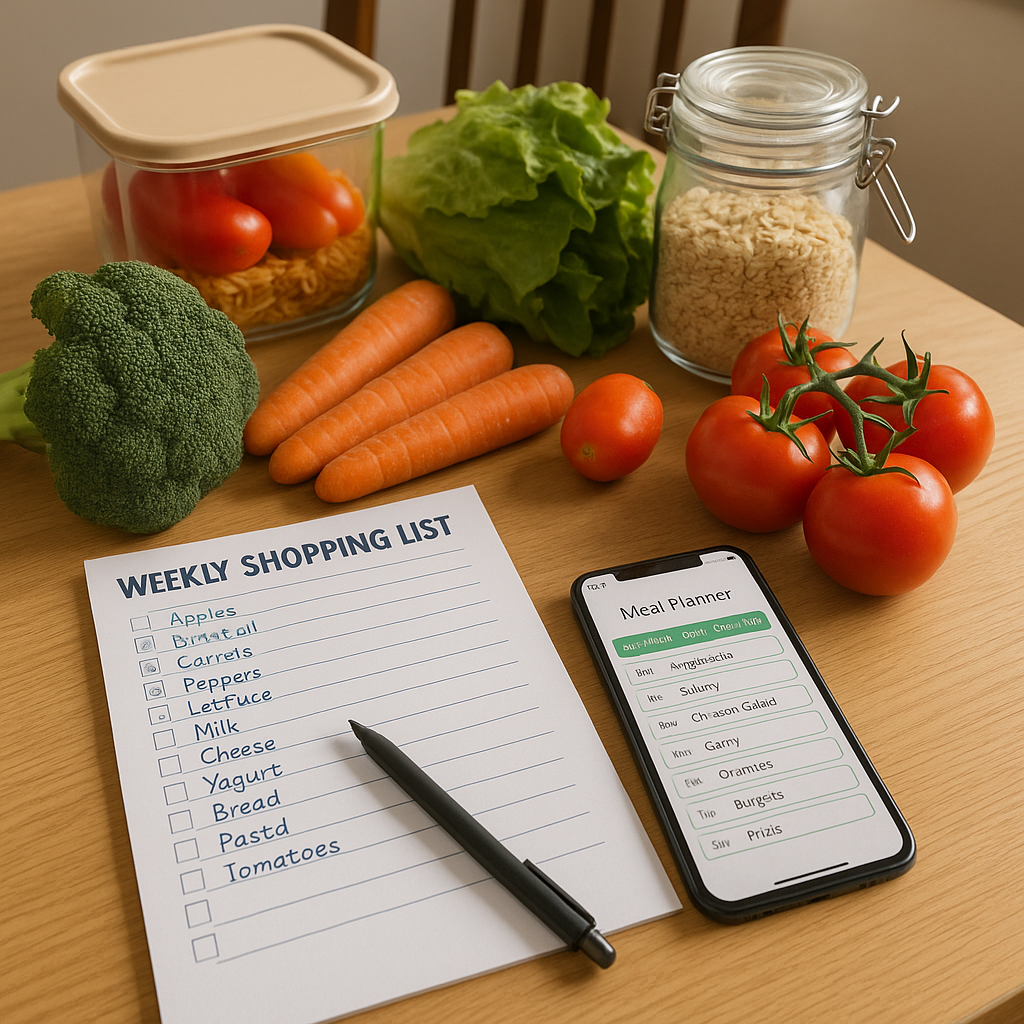
A proper ingredient-first planner should not stop at matching a recipe. It should turn the chosen meal into a shopping list that is easy to use when you are already standing in a supermarket aisle or checking what is left in the fridge. That means separating what you already have from what you still need, so you are not buying a second onion or another jar of sauce by mistake.
This matters even more when you are cooking for more than one person. If you are planning family meals, a planner can help you reuse ingredients across lunches and dinners, which makes it easier to clear a pack of carrots, a block of cheese, or a loaf of bread before it goes stale. A basic recipe finder can suggest a dinner; a planner can help you avoid waste by showing how the same items fit into the rest of the week.
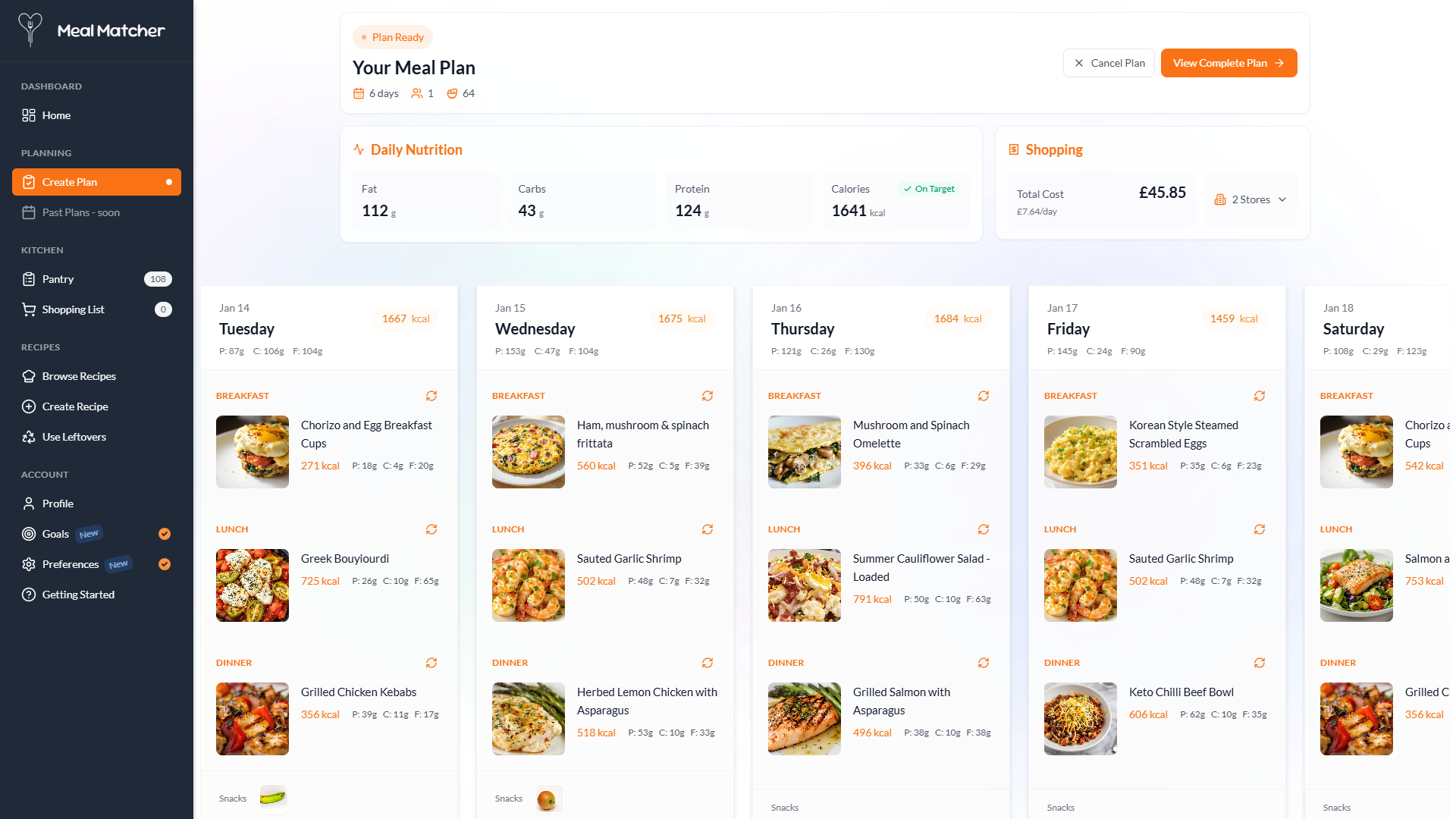
MealMatcher is a better fit here because it is designed as an ingredient matcher rather than a one-off search page. In practical terms, that means it is aimed at helping you move from what is in the cupboard to a realistic shopping list and then into repeat cooking, rather than leaving you to work out the rest yourself.
Time-saving for busy weeknights and tighter budgets
Speed is one of the biggest reasons people search for recipe finder tools in the first place. On a busy evening, you do not want to spend a long time filtering through unrelated recipes just to find one that uses two items you already have. A useful planner should make that first step quick, so you can get from ingredients to a meal plan without a lot of clicking back and forth.
Budget also shapes the decision. UK home cooks often want to make the most of what is already in the kitchen before adding more to the trolley. A planner that helps you plan around existing ingredients, then builds the rest of the shopping list around them, is more useful than a tool that only offers inspiration. It keeps the focus on practical cooking, not just browsing.
That is why a comparison should not be about how many recipes a tool can show. It should be about how quickly it helps you choose something workable for tonight and how well it supports the next few meals after that.
How to choose the right ingredient-first tool for your household
If you are deciding between tools, start with the job you need done. If you only want ideas for one meal, a simple recipe finder may be enough. If you want to plan for a household, make one shopping list, and use ingredients across several meals, you need more of a planner. For many UK users, that difference is what makes a tool useful every week instead of just once.
Look at the features that support real planning: free versus paid access, supermarket-friendly ingredient handling, shopping list generation, dietary filtering, and family or budget planning. Speed of use matters too, because a good tool should save time rather than add another step to the process.
MealMatcher fits the planner side of that choice. If you want to test an ingredient matcher that is built for planning as well as recipe discovery, try the MealMatcher ingredient matcher and see how it handles the jobs a basic recipe finder usually leaves behind.
Useful MealMatcher tools and guides
- find recipes using ingredients you already have
- see how MealMatcher plans a UK weekly shop
- meal matcher vs mealia
- compare the price of a full shopping list
Frequently asked questions
What should a recipe finder by ingredients in the UK actually do?
It should help you use what you already have, then make it easy to plan the rest of the meals and shopping. For UK home cooks, that means supermarket-friendly ingredient handling, a clear shopping list, dietary filtering, and the ability to plan for the household rather than one dish at a time.
Why is a planner better than a simple list of recipes?
A recipe list can show possible dishes, but it does not help you decide what to buy or how to use ingredients across the week. A planner is more useful when you want repeat use, family-sized cooking, and less waste because it connects search, planning, and shopping.
What features matter most when comparing ingredient-first tools?
The main decision points are free versus paid, supermarket support, shopping list generation, family and budget planning, dietary filtering, and speed of use. If those jobs are handled well, the tool is more likely to fit real weekly cooking rather than just one-off inspiration.
How does MealMatcher fit this type of search?
MealMatcher is positioned as an ingredient matcher rather than a basic recipe search box, so it is aimed at planning as well as discovery. The draft also points to examples and screenshots showing how it handles shopping lists, dietary needs, and other planning jobs better than a basic recipe finder.
Stop planning meals in your head
Turn what you just read into an actual week of meals.
Meal Matcher builds a personalised week around your calories, diet, allergies and dislikes, then turns it into one organised UK shopping list.