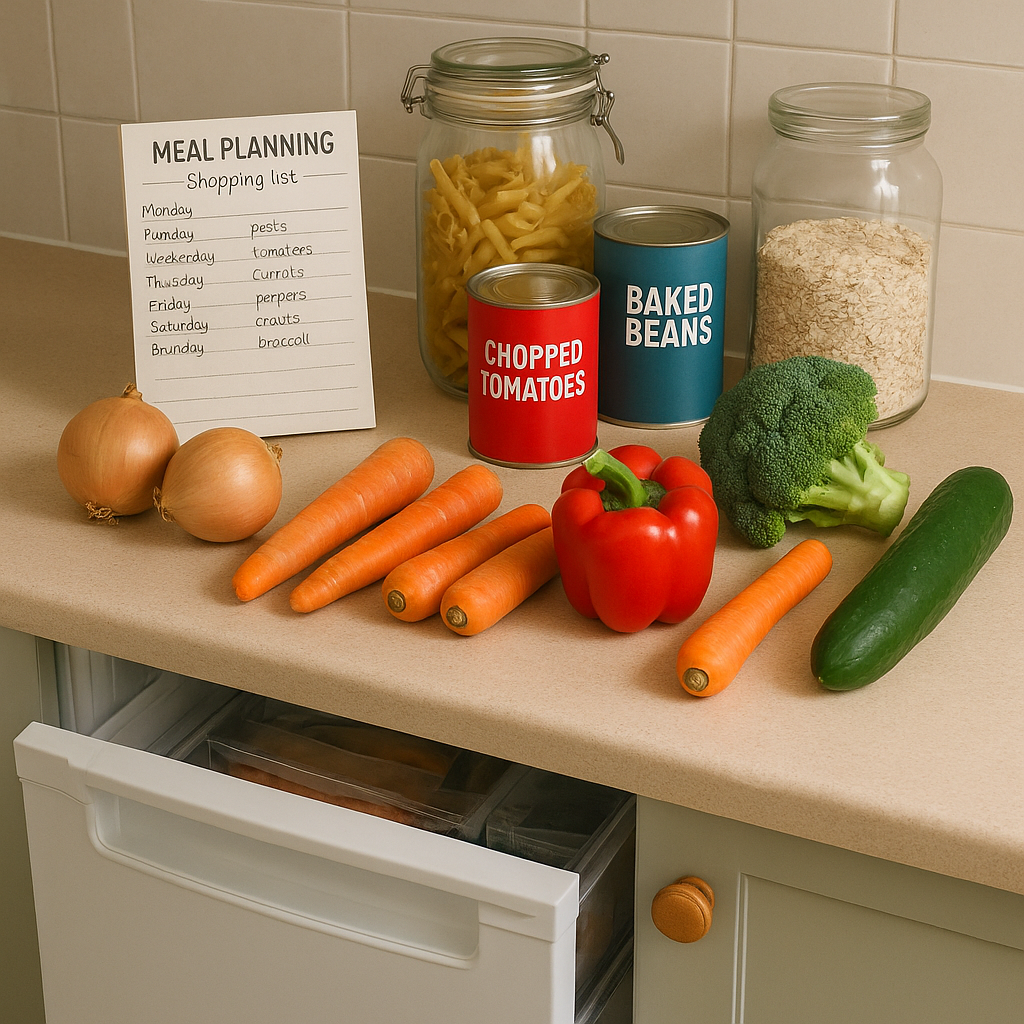
Should UK shoppers worry about food shortages? A practical meal-planning response to shelf availability and supply-chain news
Quick Answer
UK shoppers do not need to stockpile for every headline, but it does make sense to plan for short gaps and substitutions. Build a 7-day plan around cupboard staples, freezer food, and recipes that tolerate swaps. Keep a small reserve of meals you can make without a full shop, then turn that into a clear list.
If you have seen headlines about possible UK food shortages, the sensible response is not panic buying. It is to make a meal plan that can bend when shelves are patchy. For most UK households, that means keeping a few longer-lasting staples, choosing flexible recipes, and knowing when to swap ingredients instead of chasing one exact dinner.
What do the current headlines actually mean for home cooks?
Recent reporting has described UK government planning for possible food shortages and summer shelf gaps if the Iran war continues, with The Independent and The Guardian both linking the risk to wider supply disruption (The Independent, The Guardian). That is a reported risk, not proof that every supermarket will run out of everything. For meal planning, the useful assumption is simpler: some ingredients may be harder to find, so your weekly plan should leave room to switch.
How do you build a 7-day resilient meal plan?
Start with meals that share ingredients and survive a few substitutions. You are aiming for flexibility, not culinary heroics. A resilient plan usually has a mix of:
- cupboard meals based on pasta, rice, tinned tomatoes, beans, lentils or noodles
- freezer meals such as frozen vegetables, bread, fish, chicken or ready portions of cooked food
- breakfasts and lunches that use the same core items as dinner
- one or two meals that can be stretched with extra veg, eggs or pulses
If a recipe needs a very specific fresh ingredient, put it lower down the week or swap it for something easier to source. For example, a tomato-based pasta sauce can usually take courgette, mushrooms, spinach or tinned beans without falling apart. A traybake can often move from chicken to sausages, or from new potatoes to sweet potatoes, if needed.
The point is to protect the week, not each recipe. That is a better use of your shopping list when supply feels uncertain.
What should you buy first if you want a calmer cupboard?
Think in layers. First, buy the foods that let you make several meals from one shop. Then add the fresh items that are most useful early in the week. Then keep a small reserve for when you cannot face another supermarket visit.
A practical order for many UK homes looks like this:
- carbohydrate staples such as pasta, rice, oats, potatoes, bread or wraps
- protein basics such as eggs, tinned fish, beans, lentils, tofu, yoghurt, chicken or mince
- frozen vegetables and fruit
- tinned tomatoes, stock cubes, passata and jarred sauces
- longer-lasting fresh items such as carrots, onions, cabbage, apples and citrus
- one or two convenience items that save time on a busy night
This is not about filling every cupboard shelf. It is about giving yourself enough options that a missing item does not wreck dinner.
When does it make more sense to plan around substitutions?
Quite often. If you are staring at patchy shelves, substitutions are the better move than hunting for a perfect recipe. A recipe that needs one exact herb, cheese or cut of meat can become awkward fast. A more flexible recipe keeps going even if you switch the protein, use frozen veg, or change the grain.
For example, a stir-fry can move between chicken, tofu and eggs. A soup can use carrots, celery, leeks or frozen mixed veg. A curry can work with chickpeas, lentils or leftover cooked vegetables. That sort of cooking is less dramatic than it sounds. It is just practical.
If you want help with that sort of planning, the Ingredient Matcher is built for turning what you have into meal ideas, rather than making you start again with a perfect recipe.
How can MealMatcher help turn uncertainty into a shopping list?
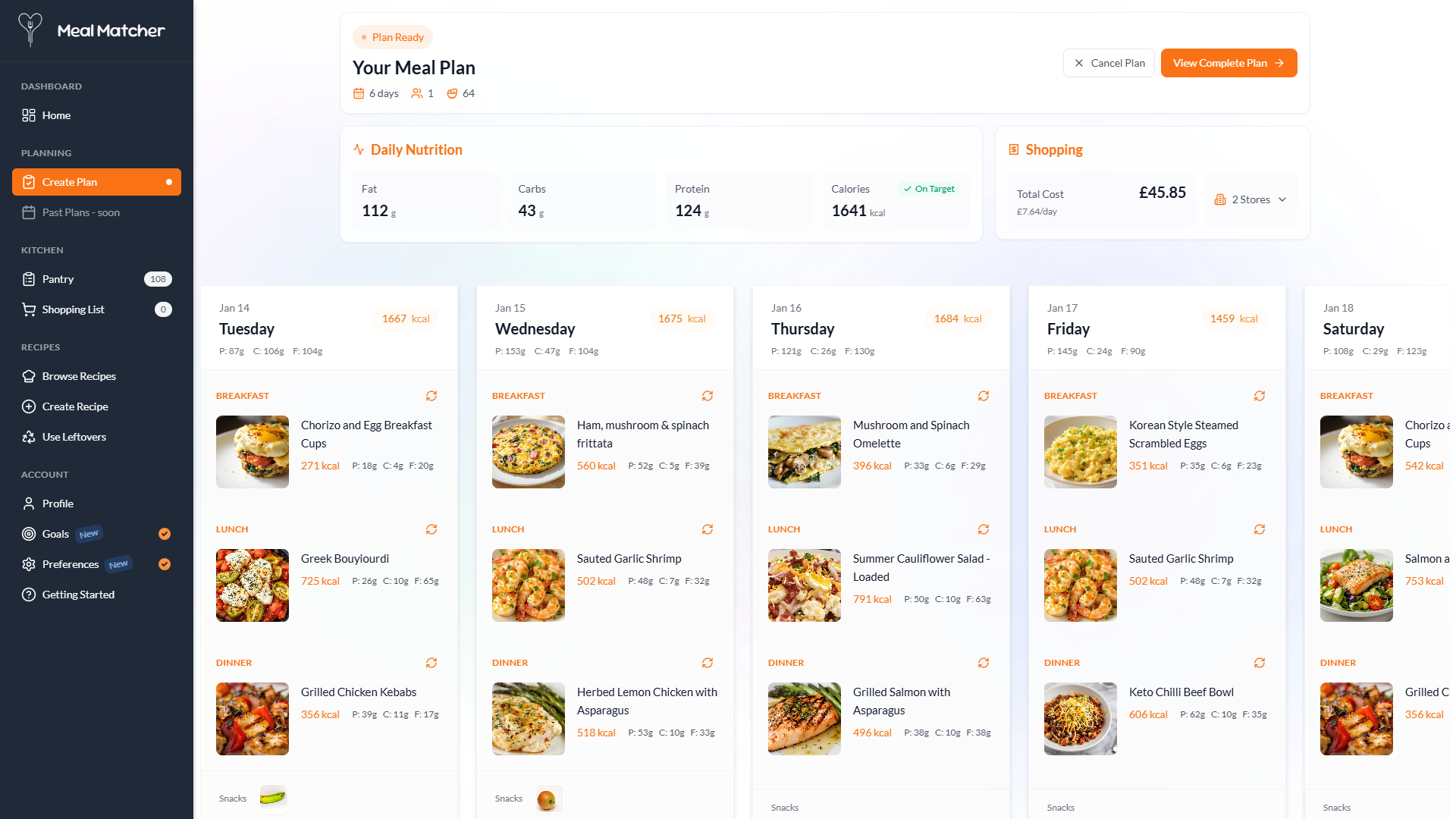
MealMatcher is useful when you want the week to feel organised without overbuying. First, work out your likely meals, then use the shopping list comparator to see what belongs on the list and what duplicates or overlaps. That helps when several recipes use the same onions, yoghurt, herbs or tins.
If you are also watching your budget while shelf availability feels unstable, it can help to compare how different meal choices affect the basket. MealMatcher has guidance on reducing your UK grocery bill and on how to compare UK supermarket prices easily. That matters because resilience and cost often pull in different directions. The cheapest plan is not always the most flexible, and the most flexible plan is not always the cheapest.
What should you keep in reserve at home?
A small reserve is enough for most households. You do not need a bunker. Keep a few meals' worth of ingredients that can cover breakfast, lunch and dinner if a shop is thin or delayed. Good reserve items are the ones you actually eat, not the ones you imagine you might become the sort of person who eats.
- pasta, rice, noodles or couscous
- tinned tomatoes, beans, chickpeas, tuna or sardines
- frozen veg, bread and fruit
- eggs
- long-life milk or plant milk if you use it
- stock cubes, herbs, curry paste or simple sauces
If you keep those in regular use, they will not sit there gathering dust. Rotate them through normal cooking and replace what you use.
What does a calm weekly plan look like in practice?
Imagine a week where Tuesday's supermarket trip comes up short on fresh meat and salad. A resilient plan still works.
Monday could be pasta with tomato sauce and frozen veg. Tuesday might be omelette, potatoes and cabbage. Wednesday could be a lentil curry with rice. Thursday might use leftover curry with wraps or flatbreads. Friday could be fish fingers, peas and mash from the freezer. Saturday might be soup and toast. Sunday could be a roast-style traybake that uses whichever veg are left.
That kind of plan lowers the pressure on any one ingredient. It also reduces the temptation to buy random extras because a recipe has gone missing.
If you are not sure what to cook with what is already in the cupboard, the practical guide to cooking from what you already have is the right next read.
What should households do this week?
Keep it simple. Check what you already have. Make a 7-day plan with at least two flexible meals. Buy the staples first, then the fresh items you will use early. Keep one or two backup meals in the freezer. And if shelves are patchy, swap the ingredient rather than abandoning the plan.
That is the real response to food-shortage headlines. Not panic. Not overbuying. Just a shopping list that gives you options.
Frequently asked questions
Should I stockpile food if I see shortage headlines?
No. For most UK households, a small reserve is more sensible than bulk buying. Use foods you already cook with, then rotate them into normal meals so they do not go to waste.
Which foods are best for a resilient weekly shop?
Choose items that work across several meals: pasta, rice, oats, beans, lentils, eggs, frozen vegetables, tinned tomatoes and a few long-lasting fresh basics such as onions and carrots.
Is it better to follow recipes exactly when supply feels uncertain?
Usually not. Flexible recipes are easier to shop for and easier to rescue when one item is missing. Plan around the main structure of the meal, then swap ingredients as needed.
How does MealMatcher fit into this?
MealMatcher helps you turn a loose meal idea into a practical basket and shopping list. That makes it easier to spot overlaps, choose substitutions and keep the week manageable.
For a calmer shop, start with the meals, then build the list around them. That is the part most people skip, and it is usually where the waste and the panic begin.
Stop planning meals in your head
Turn what you just read into an actual week of meals.
Meal Matcher builds a personalised week around your calories, diet, allergies and dislikes, then turns it into one organised UK shopping list.