Cal vs kcal on UK labels: the difference shoppers still search for, and why it causes so much confusion
Quick Answer
On UK food labels, kcal and calories are the same thing in everyday use. The “cal” shorthand can cause confusion, but the number you see for energy on a UK label is usually shown as kcal, which is the unit used for calorie tracking and meal planning.
If you have ever stared at a UK food label and wondered whether
How to read a UK label without getting tripped up
The easiest way to avoid cal versus kcal confusion is to treat the energy number on the pack as the figure that matters, then check the serving basis beside it. A label may show energy per 100g, per portion, or both, and those numbers are not interchangeable if you are trying to compare two products.
When you are shopping in a UK supermarket, look for the kcal value first, then ask whether you would eat the full pack, half the pack, or just one serving. That matters for ready meals, yoghurts, snack packs, and anything sold in multi-serve tubs, because the headline number can look small or large for the wrong reason if you miss the portion size.
A simple worked example for everyday shopping
Imagine two products on a shelf: one gives kcal per 100g and the other gives kcal per portion. If the portion-based item is a small single serve, it can seem lower even when the whole pack contains more energy than the other product. The opposite can also happen when a large pack is labelled only per 100g and you assume the full pack matches the number on the front.
This is why shoppers often misread cereal, pasta sauce, crisps, protein pots, and chilled desserts. The practical habit is simple: check whether the label is per 100g or per portion, then compare like with like. If you are tracking a day’s intake, log the amount you actually eat, not just the figure printed in the easiest place to spot.
Where leftover planning and batch cooking make the difference
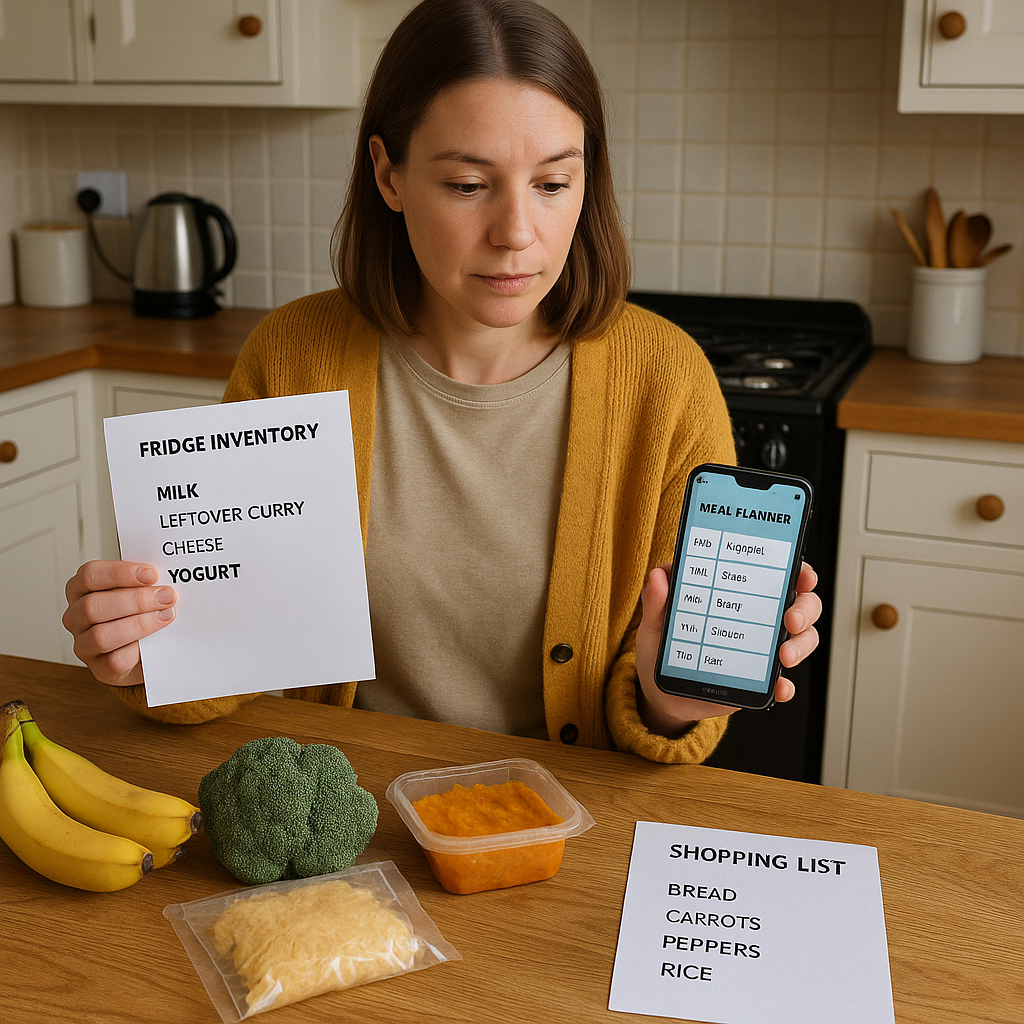
Cal versus kcal confusion becomes more noticeable when a meal is split over more than one sitting. A pasta bake, curry, traybake, or soup may be cooked once and eaten in several portions, so the energy figure on the recipe or package only helps if you divide it consistently.
For example, if you cook a family meal and save half for tomorrow, the kcal total needs to be divided by the number of portions you actually serve. The same applies to supermarket meal deals or bigger packs that are stretched across lunches. In those cases, the label is only useful if you match the numbers to what ends up on your plate, not what stays in the fridge.
A UK-first checklist for meal planning and calorie tracking
Before you add anything to a shopping list or tracker, ask four quick questions: is the energy number in kcal, is it per 100g or per portion, how much will I actually eat, and will any leftovers be saved for later? Those four checks solve most of the confusion people have when they search for cal versus kcal.
This is especially useful if you are choosing between supermarket products for a week of lunches or building a recipe around a calorie target. Once you use the same basis each time, the numbers become much easier to compare. If you want to keep going, MealMatcher’s recipe and calorie tools can help you compare meals, check energy totals, and plan around the foods you already buy.
Useful MealMatcher tools and guides
Frequently asked questions
What is the difference between cal and kcal on UK labels?
In practice, UK shoppers usually treat them as the same energy measure. The label may show kcal, while some people search for cal, which is where the confusion starts. If you are logging food or comparing recipes, use the number shown on the label rather than trying to convert it yourself.
Why do UK food labels use kcal instead of cal?
UK labels commonly use kcal because that is the standard way energy is shown on packaging. The brief here is to explain the label in plain English, so the key point is that kcal is the figure shoppers should look at when checking energy on a product.
Where do people most often go wrong when comparing calories?
The most common mistake is mixing up the shorthand terms and assuming they mean different things on the packet. Another issue is comparing products or recipes without checking the same serving size or portion, which can make the numbers look more different than they really are.
When does cal and kcal confusion matter for meal planning?
It matters most when you are tracking energy across recipes, meals, or products and want the numbers to match what you log. If you are comparing items, use the label’s kcal figure consistently so your meal planning and calorie tracking stay accurate.
Stop planning meals in your head
Turn what you just read into an actual week of meals.
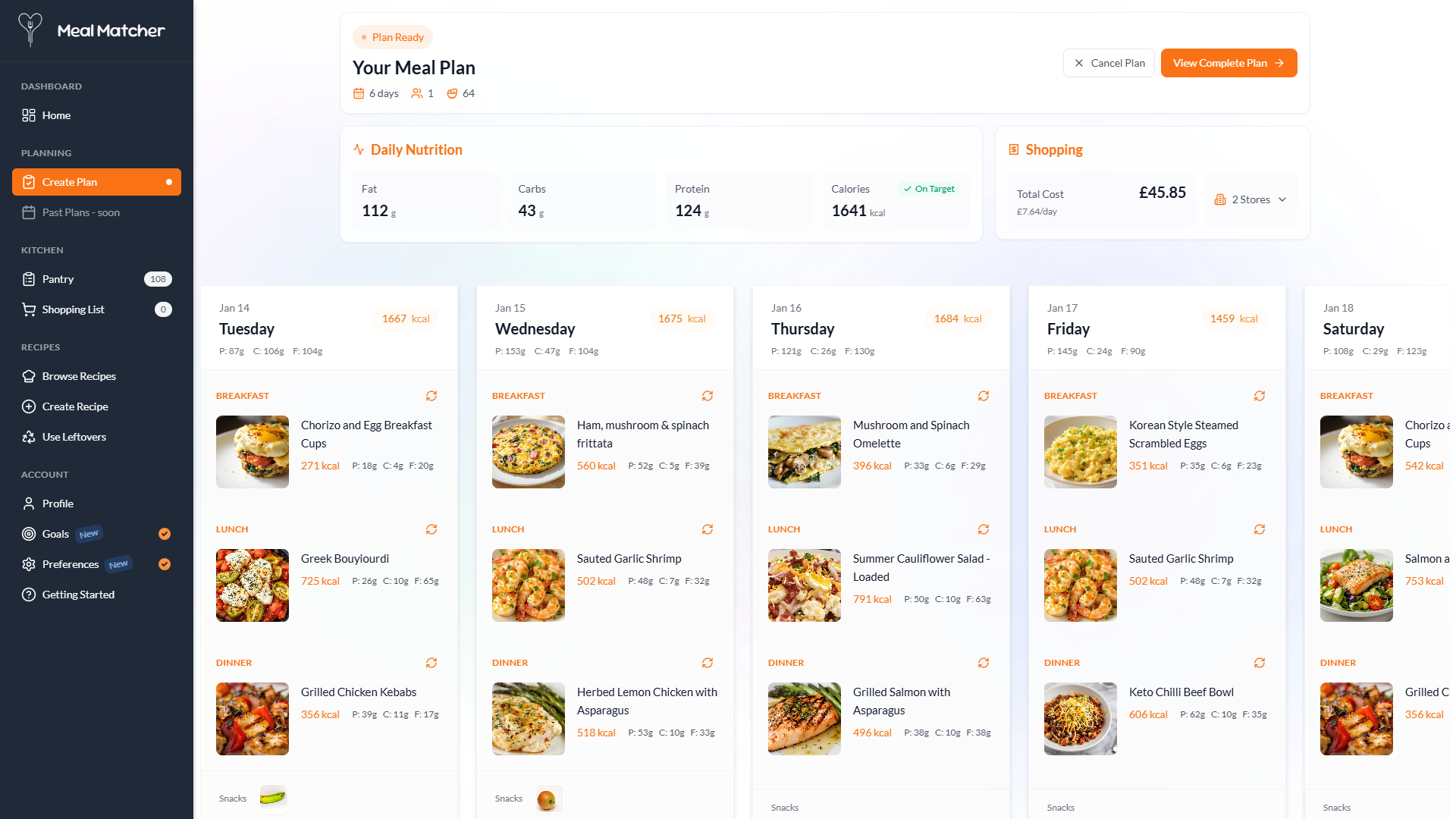
Meal Matcher builds a personalised week around your calories, diet, allergies and dislikes, then turns it into one organised UK shopping list.