Morrisons’ GLP-1 ready meals: what this means for UK convenience food
Quick Answer
This Morrisons GLP-1 friendly ready meal range looks like an early move into a niche but growing shopper need: smaller, convenience-led meals that fit tighter appetites and simpler eating patterns. The useful question is not the branding, but whether the meals suit your budget, protein needs and portion size better than a standard ready meal.
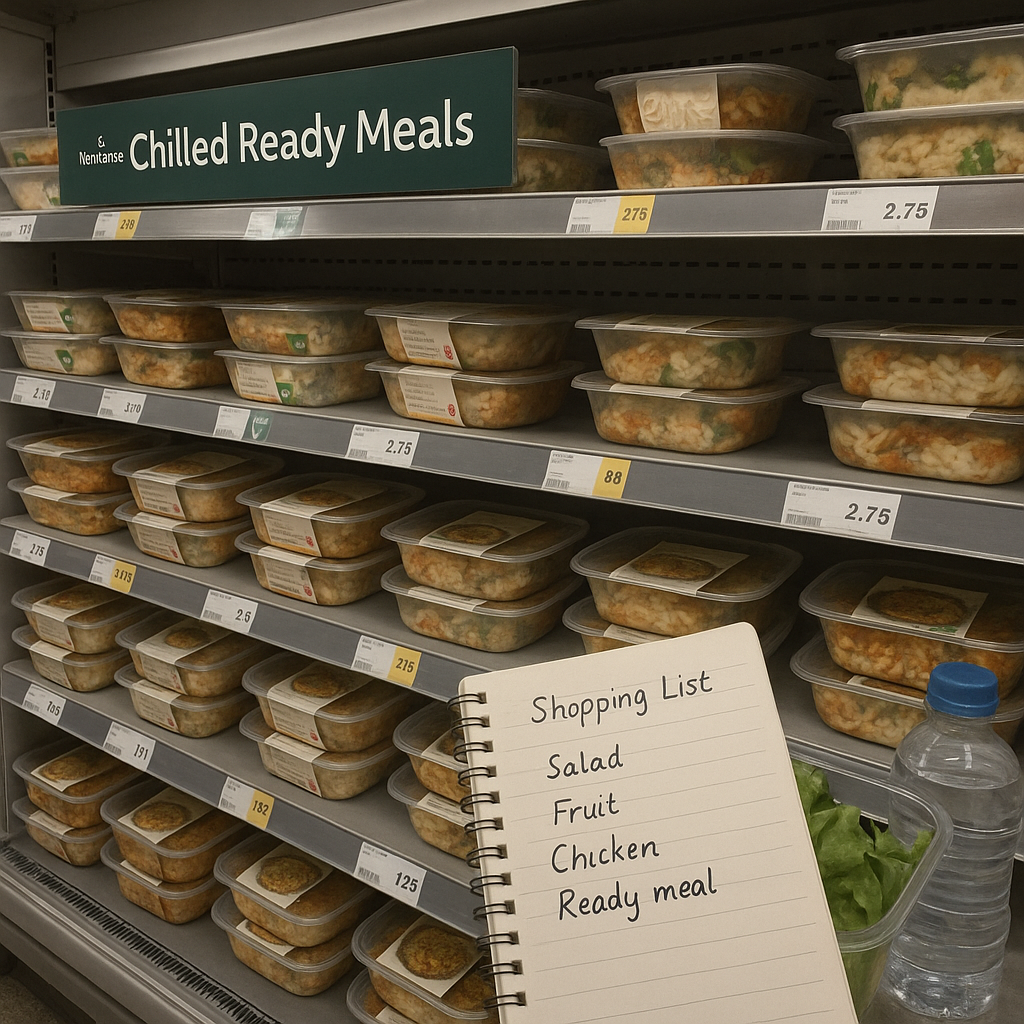
Morrisons and Applied Nutrition have launched a GLP-1 friendly ready meal range, which is a neat way of saying supermarkets are now trying to sell convenience food to people using appetite-suppressing weight-loss medicines. That matters for UK home cooks because it changes what gets put in the chilled aisle, and what shoppers may start looking for on the label.
What has Morrisons actually launched?
The reported fact is straightforward: Morrisons and Applied Nutrition have launched a GLP-1 friendly ready meal range, according to New Food. The source brief does not give a full nutrition panel or full product list, so it is safest to treat this as a branded range aimed at a specific shopper group rather than assume a broad redesign of Morrisons' ready meals.
In plain terms,
How UK shoppers should read the shelf label
For this launch, the important detail is not the wording “GLP-1 friendly” but the practical numbers on the pack. Shoppers in the UK should check the portion size first, because a ready meal can look filling on paper while still being small in real-life terms. Then compare the protein content, because a smaller meal may work better if it helps you stay satisfied without paying for extra food you do not want to eat.
It is also worth comparing the price per pack against what you would normally buy in Morrisons. A specialist convenience meal may save time, but if you are already eating less, the value can disappear quickly if the pack is too small or leaves you needing an extra snack. The label matters more than the marketing because the same ready-meal format can suit one shopper very well and another badly.
Pack-size and leftover planning in practice
This kind of range makes more sense when shoppers think in terms of one meal, not a family plate. If the meal is smaller than a standard ready meal, it may be ideal for lunch at work or for an evening when appetite is lower. But if you usually rely on ready meals to cover a full dinner, a reduced portion may mean adding fruit, yoghurt, bread or another side, which changes both cost and prep time.
For households, the question is whether there will be leftovers from the rest of the shopping basket. A smaller ready meal can reduce waste if you are the only person eating it, but it can also create awkward half-used ingredients if you try to build it into a wider meal plan. That is where a shopping list approach helps: decide in advance whether the ready meal is the main meal, a top-up meal, or a backup for busy days.
Time-saving only works if the whole day is simpler
Morrisons’ launch sits in the wider convenience-food trend, but a quick meal only saves time if it fits the rest of your routine. If you buy a smaller ready meal and then spend time assembling extra food to make it satisfying, the speed advantage narrows. The practical test is whether the product replaces a complete lunch or dinner, not whether it merely reduces cooking time by a few minutes.
Meal planning is especially useful here because GLP-1-friendly shopping often means fewer, more deliberate meals. If you know you are likely to want smaller portions, you can plan a day around one ready meal and one or two simple low-effort foods rather than buying a larger basket that goes unused. That is also where UK shoppers can use tools such as a shopping list comparator to see whether a branded convenience choice is genuinely helping with time, or just shifting the work elsewhere.
What this launch suggests about the convenience aisle
This range is best read as a targeted move rather than proof that Morrisons is remaking its whole chilled aisle. The fact that the launch is tied to Applied Nutrition and positioned for GLP-1 users suggests a specific shopper segment, not a general reset of supermarket ready meals. Even so, it shows how retailers are starting to think about appetite, portion control and easier eating as a commercial category in their own right.
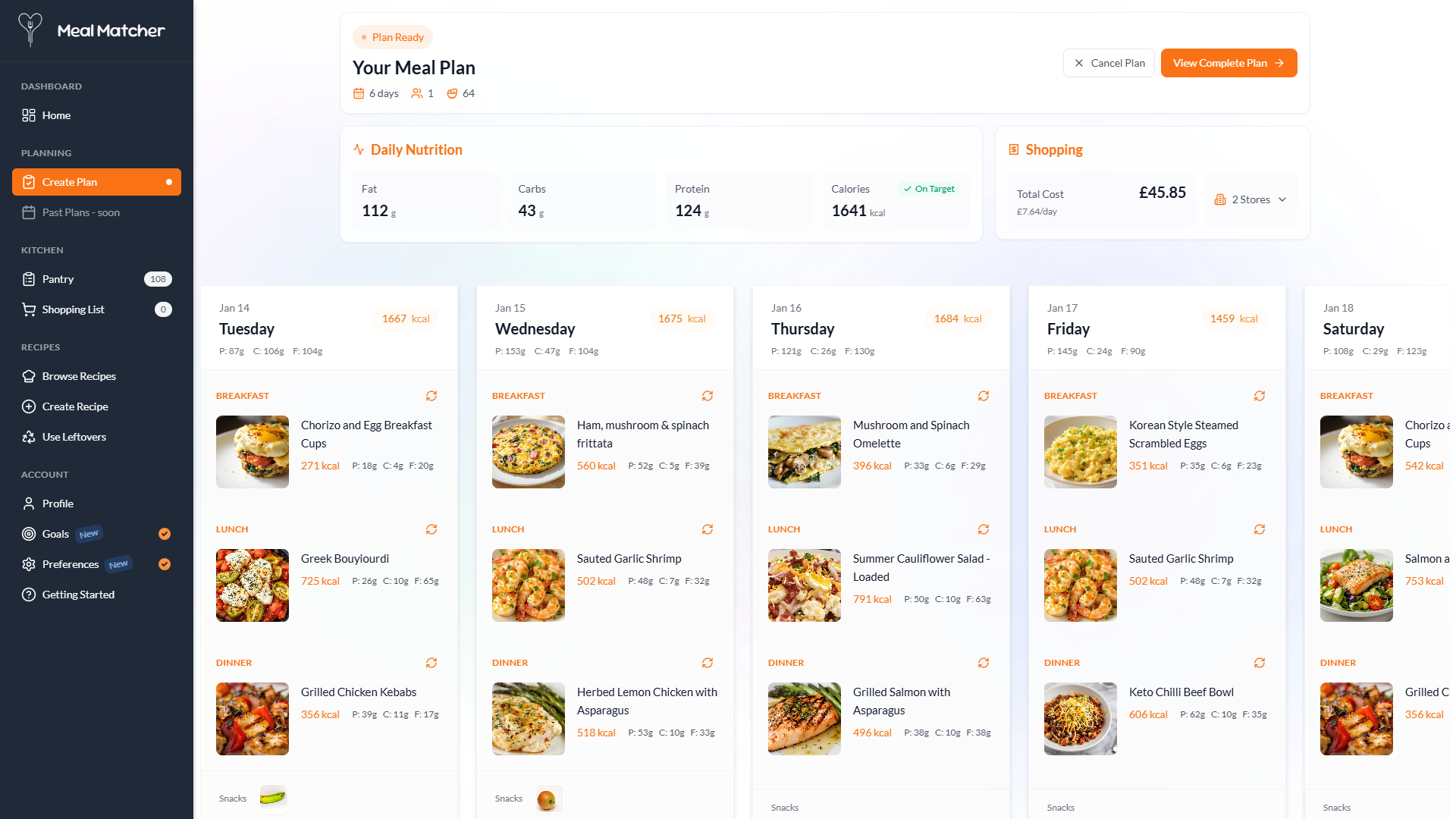
For MealMatcher users, the wider implication is that convenience food is becoming more segmented, so comparison matters more than ever. A GLP-1 friendly ready meal might be the right match if you want smaller portions and less fuss, but a standard ready meal, a meal plan, or even a basket built from supermarket basics may still offer better value. The point is not to chase the new label; it is to compare the actual meal against the rest of the week’s shopping and choose the option that best fits budget, appetite and routine.
Useful MealMatcher tools and guides
- compare the price of a full shopping list
- see how MealMatcher plans a UK weekly shop
- meal planning app tesco
Frequently asked questions
What does “GLP-1 friendly” mean in this Morrisons range?
The source brief does not provide a formal nutritional definition, so it is best understood as branding for meals aimed at people using GLP-1 weight-loss medicines. In practice, that suggests convenience food designed around reduced appetite and simpler meals. Shoppers should still check the label rather than rely on the marketing.
Is this a sign that Morrisons is changing its whole ready-meal aisle?
Not necessarily. The evidence only confirms a new Morrisons and Applied Nutrition range, so it is safer to treat this as a targeted launch rather than a full category overhaul. It may, though, be an early sign that more supermarket convenience ranges will start to segment by appetite, portion size or dietary need.
What should shoppers look for on the label?
Based on the brief, the main things to compare are portion size, protein content and whether the meal suits your budget and appetite. Because the source does not give full nutrition details, you should not assume these meals are automatically healthier or better balanced than other ready meals. Compare them directly with standard convenience options before buying.
How could MealMatcher help with these kinds of products?
MealMatcher can help shoppers compare these meals against other convenience choices and see which options better fit their routine. That is useful if you are trying to plan around smaller portions or more structured meals. It can also help you judge whether a GLP-1 branded option is actually the best match for your needs.
Stop planning meals in your head
Turn what you just read into an actual week of meals.
Meal Matcher builds a personalised week around your calories, diet, allergies and dislikes, then turns it into one organised UK shopping list.