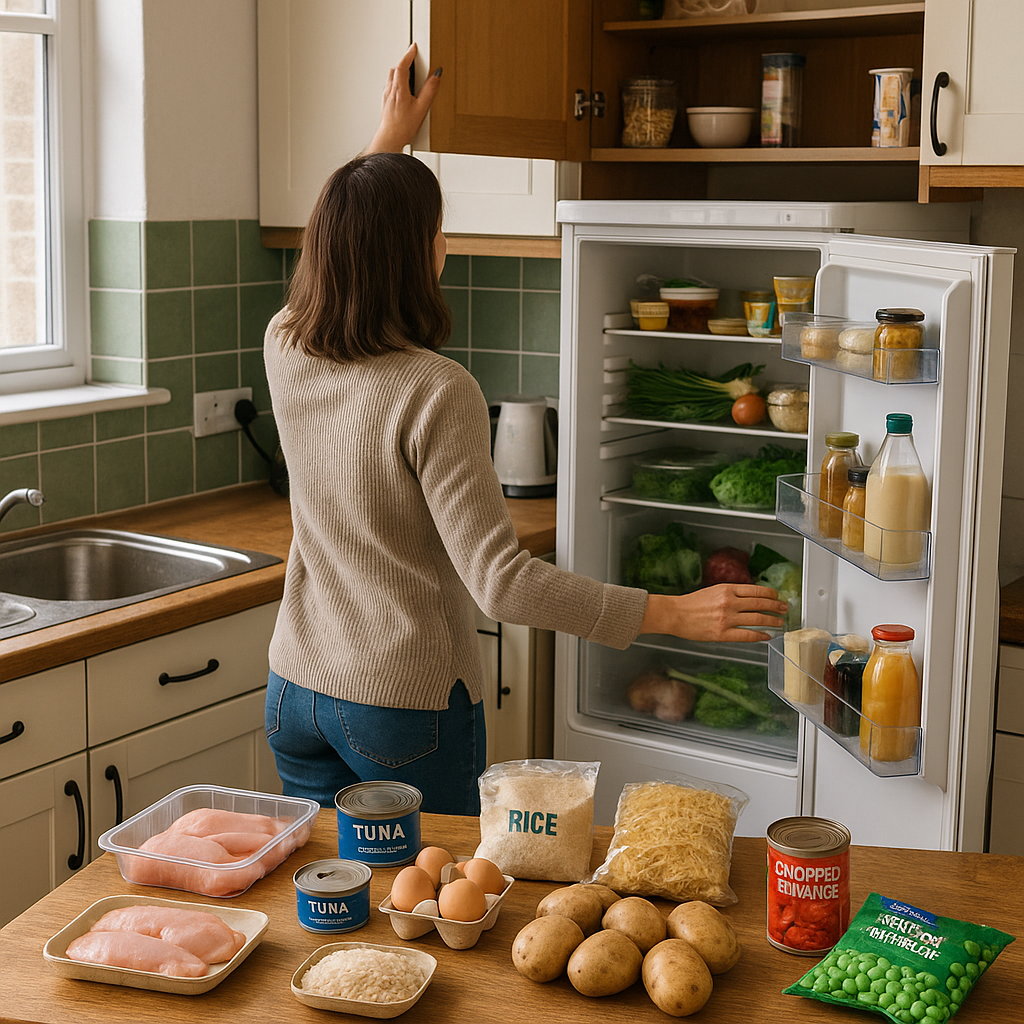
What Can I Make With These Ingredients? A Practical UK Guide to Cooking from What You Already Have
Quick Answer
Pick one protein, one carb and one veg, then check the cupboard for a sauce or flavour base. Chicken, tuna, eggs, rice, pasta, potatoes, tinned tomatoes and frozen veg can turn into plenty of plain but decent meals. If you are missing one thing, swap rather than starting over.
If you are staring at the fridge and asking, what can I make with these ingredients, the answer is usually simpler than it looks. Start with what you have, then build a meal around a protein, a carb and some veg. That gives you a usable shape for dinner before you worry about exact recipes.
How do you turn random ingredients into a proper meal?
The trick is to stop thinking in recipe names and start thinking in parts. Most home-cooked meals need a main ingredient, something filling, and something to stop the plate feeling dull. That does not mean every meal must be perfectly balanced in a nutrition-textbook sense. It means you need enough structure to cook without a shop.
A practical way to do it:
- Protein: chicken, tuna, eggs, beans, lentils, cheese or tofu if you use it.
- Carb: rice, pasta, potatoes, bread or wraps.
- Veg: fresh veg that needs using, or frozen veg from the back of the freezer.
- Flavour: tinned tomatoes, stock cubes, curry paste, soy sauce, mustard, herbs or a leftover jar of sauce.
If you have those four bits, you can usually make something sensible. A chicken breast, rice and frozen peas can become a simple rice bowl. Eggs, potatoes and frozen veg can become a quick hash. Tuna, pasta and tinned tomatoes can become a basic pasta sauce.
Which ingredients should you use up first?
Use the most perishable ingredients first, especially anything already cut, opened or looking tired. That is the boring answer, but it saves food waste and prevents the midweek
How to choose the meal before you choose the recipe
If you only have a few ingredients, the fastest way to decide is to look at what needs using up and what can fill the plate. In a UK kitchen, that often means checking the fridge for fresh chicken, eggs or open packs, then looking at the cupboard for rice, pasta, potatoes or tins, and finally pulling in frozen veg if needed. That order helps you avoid waste and makes the meal more likely to work with what is actually there.
A simple rule is to let the main ingredient decide the format. Chicken usually wants a hot meal with rice, pasta or potatoes. Tuna is often easiest in pasta, rice or a toasted sandwich. Eggs can be the base of a quick fry-up, omelette or hash. If you already have tinned tomatoes, they give you an easy sauce for pasta, beans or potatoes. If you have frozen veg, it can go straight into the pan without extra prep.
This approach is useful because it removes the pressure to find a perfect recipe. You are not trying to cook from scratch in a formal way. You are matching what you have to a meal shape that already makes sense, then using the matcher to fill in the gaps.
Practical UK cupboard combinations that work
Some ingredient pairings show up again and again because they are easy, cheap to assemble and forgiving when you are missing something. Chicken with rice and frozen peas is a good example. Tuna with pasta and tinned tomatoes is another. Eggs with potatoes and onions can become a pan meal, while rice with frozen veg and a bit of soy sauce or stock gives you a quick cupboard dinner. These are not fancy, but they are reliable.
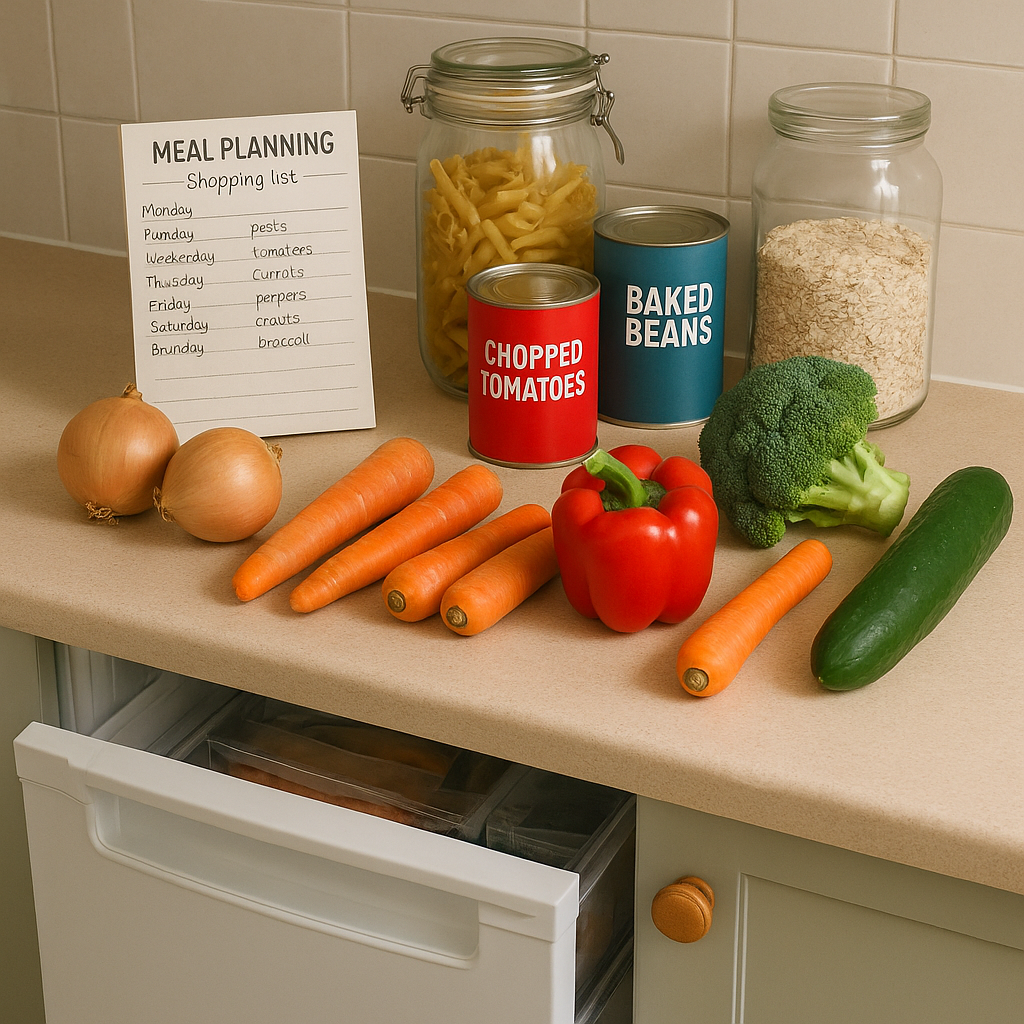
If you shop in UK supermarkets, it also helps to think in pack sizes. A bag of potatoes, a standard pack of pasta or rice, a tin of tomatoes and a bag of frozen veg can cover several meals if you use them in different combinations. For example, one day you might use rice with chicken and peas, and the next day the remaining rice can work with eggs and veg. The same goes for pasta: use part of the pack with tuna and tomatoes, then save the rest for another meal.
This is where random ingredients become easier to manage. Once you see the same cupboard items as building blocks, you can plan two or three meals from the same shopping basket instead of buying separate ingredients for each dinner.
Simple swaps when you are missing one ingredient
Most home cooking does not fall apart because one item is missing. It usually still works if you swap the carb, change the veg or use a different flavour base. If you do not have rice, use pasta, potatoes or bread. If you do not have fresh veg, use frozen veg. If you do not have a sauce, tinned tomatoes, stock or a spoonful of mustard can still give a meal enough flavour to be useful.
That flexibility matters when you are cooking around leftovers. A small amount of chicken can be stretched with pasta and tomatoes. A tin of tuna can become a fuller meal with potatoes or bread. Eggs can stand in for meat when you want something quick and filling. Even a nearly empty fridge can usually produce a decent meal if you are willing to adapt the shape of the dish rather than wait for the exact ingredients.
A useful habit is to swap with purpose, not randomly. Keep the protein, carb and veg idea in mind, then replace the missing part with something similar from the cupboard. That keeps the meal practical and avoids the feeling that you need a separate recipe for every small change.
Using leftovers before they go off, without wasting time
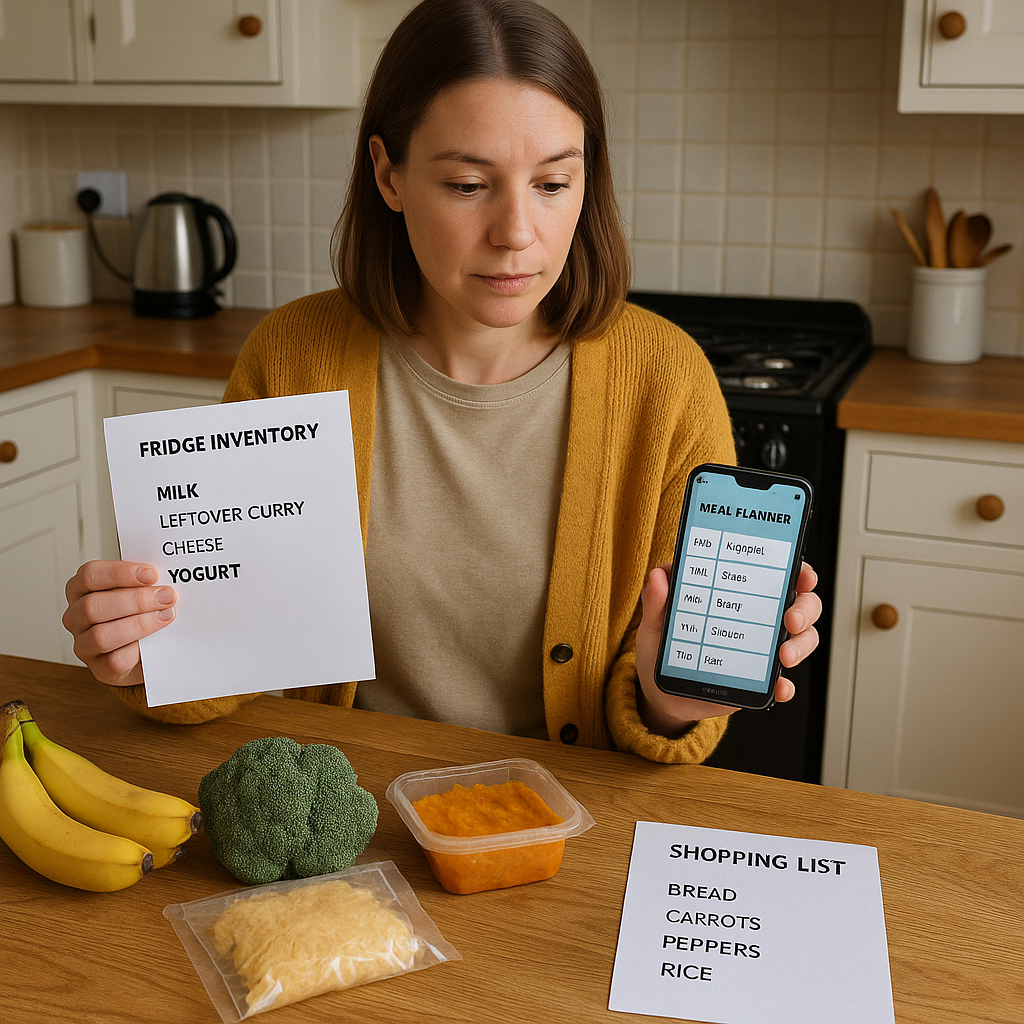
Leftovers are easiest to use when you plan the next meal around them immediately. If you roast chicken one day, the rest can go into rice, pasta or a simple sandwich the next day. If you open a tin of tomatoes, use the rest in another pan meal soon after. If you cook extra potatoes, they can turn into hash, a tray bake or a quick pan fry later in the week.
The same idea works for vegetables. Softening fresh veg before it spoils is often as simple as adding it to a pasta sauce, frying it with eggs, or mixing it into rice with frozen veg. A bag of frozen veg is especially handy because it can fill a gap when the fridge is nearly empty and it does not ask for much planning. That makes it a strong backup for busy evenings when you want dinner fast.
If your goal is to save time and money, the best leftover strategy is to cook once and reuse the ingredients in different forms. A basic chicken dinner can become a rice bowl the next day. Pasta with tuna and tomatoes can become lunch. Eggs with potatoes can use up the last bits of veg before a weekly shop. For quick help turning those ingredients into a plan, use the ingredient matcher, then compare it with broader budget advice on reducing your grocery bill.
Useful MealMatcher tools and guides
- find recipes using ingredients you already have
- eggY bread 35277
- reduce your uk grocery bill 7 ways meal matcher helps you save money
Frequently asked questions
What can I make with chicken and a few cupboard staples?
Chicken works well with rice, pasta or potatoes, plus any veg you need to use up. Add tinned tomatoes, stock, herbs or a jar sauce if you have one, then keep the seasoning simple. If you are missing one part, swap to another carb or veg rather than waiting for a perfect recipe.
What can I make with tuna from the cupboard?
Tuna is an easy protein for pasta, rice or toast-based meals. It goes well with tinned tomatoes, mustard or a simple sauce, and you can add frozen or fresh veg to make it more substantial. If you only have one carb, tuna can still work as a quick filling meal.
What can I make with eggs?
Eggs are flexible and can be used with potatoes, bread, rice or pasta. They also work with frozen veg or whatever fresh veg needs using up. A simple egg-based meal is often the quickest option when you want something practical from what is already in the kitchen.
What can I make with rice, pasta or potatoes?
These are all strong base ingredients because they pair with many proteins and veg. Rice can go with chicken, tuna or eggs, while pasta works well with tinned tomatoes or leftover sauce. Potatoes are useful for hashes, trays and simple pan meals using what you already have.
Stop planning meals in your head
Turn what you just read into an actual week of meals.
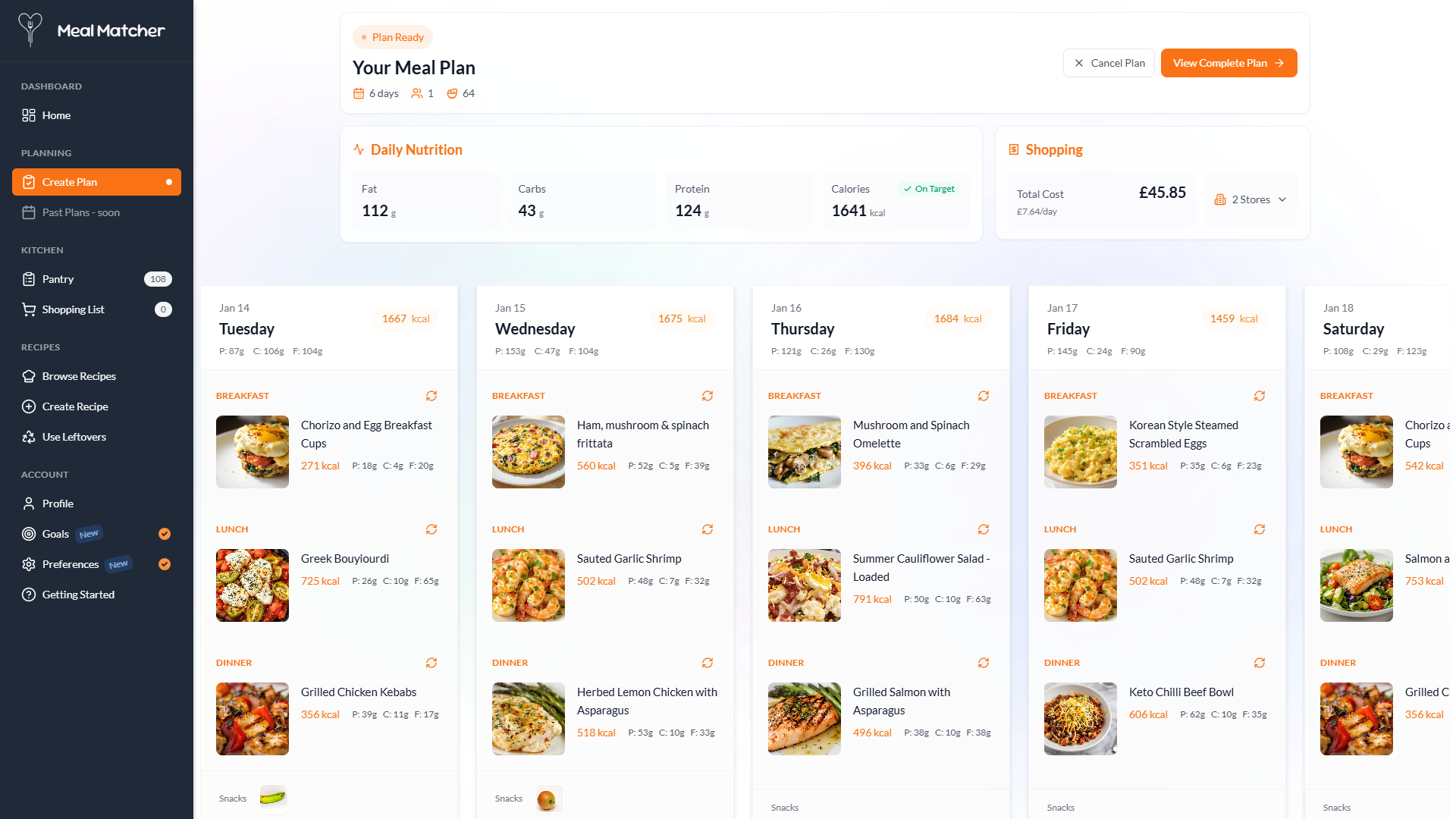
Meal Matcher builds a personalised week around your calories, diet, allergies and dislikes, then turns it into one organised UK shopping list.