UK supermarket pack sizes explained: how to buy the right amount and waste less food
Quick Answer
The best pack size is not always the biggest or the cheapest per 100g. In UK supermarkets, check both unit price and total price, then think about whether you will use the whole pack before it goes off. For many households, the better buy is the size that fits your meals, not the offer that looks the most generous.
If you have ever stood in a supermarket wondering whether the big pack is actually better value, you are not alone. UK supermarket pack sizes can be awkward to judge, especially when the cheapest unit price is hiding a larger total spend and a fridge that cannot cope with the leftovers.
This guide breaks down how to compare pack sizes properly, when larger packs make sense, and where they usually trip people up. The aim is simple: buy the right amount for your household, spend less over the week, and avoid throwing food away because the pack was bigger than your plans.
Why do pack sizes matter so much?
Pack size changes more than the sticker on the shelf. It affects how much you spend today, how much space you need at home, and whether ingredients get used before they turn sad in the fridge. A larger pack can be good value if you cook often, freeze portions, or eat the same ingredient several times a week. It is poor value if half of it ends up in the bin.
That is why the usual supermarket shortcut,
How to read UK supermarket pack labels without getting caught out
The quickest way to compare pack sizes is to look at the shelf label for the unit price, the total price, and the actual pack weight or count. That sounds obvious, but it is easy to focus on the bold offer label and miss that one pack is 400g while another is 600g. The pack that looks cheaper can be more expensive once you work out how much food you are really getting.
This matters across major UK supermarkets because the same type of item may be sold in several sizes, from small everyday packs to larger “value” packs and multipacks. For fresh produce, meat, pasta, rice and chilled foods, use the label to compare like with like. If one pack is £2.50 for 500g and another is £3 for 750g, the better buy depends on whether your household will actually use the extra 250g before it spoils or sits in the cupboard.
A simple habit helps: compare the price per 100g or per item, then ask whether the full pack fits your week. If it does not, the lower unit price is not a saving for your home. It is only cheaper if the extra food is eaten, shared, frozen or saved for later.
Household-size shopping: one-person, couple and family packs
Pack size is especially important because households do not eat in the same way. A one-person shop often works better with smaller packs of salad, bread, meat and fresh ingredients, because large packs can go off before they are used. A couple may manage medium packs for meals they repeat, but still need to be careful with items that wilt, dry out or lose freshness quickly. Families may get better value from larger packs, but only when the food is part of a clear meal plan.
For one-person households, the goal is not to avoid larger packs completely, but to be selective. Buy smaller sizes for perishable foods and larger packs for cupboard staples that keep well, such as rice, pasta or tinned goods. For couples, it can make sense to choose a bigger pack if you know both portions will be used within a day or two, or if one portion can be frozen. For families, larger packs can reduce repeat trips, but only if the extra food is built into lunches, dinners or batch cooking rather than left unused.
A useful rule is to match the pack to the number of meals you already plan to cook, not the number of meals a supermarket seems to imagine. That keeps the basket realistic and cuts down on waste.
Common UK supermarket pack-size traps to avoid
Fresh produce is one of the biggest trap areas because loose items, prepacked bags and “savings” packs can all point in different directions. A bigger bag of apples, carrots or salad may look better value, but if your household only gets through a few pieces a week, the last ones may soften or spoil. The same is true for herbs, berries and leafy greens, which are often better bought in smaller amounts unless you already have a use for them.
Multipacks can also mislead. They are often useful for snacks, drinks, yoghurts and breakfast items, but only if everyone will eat them before the best-before date. A cheaper-per-unit multipack is not a bargain if half the items sit untouched in a cupboard. Family-size meat packs and larger pasta or sauce packs can create the same problem: the shelf price may look efficient, but the real cost rises if you end up cooking more than you need or discarding leftovers you did not plan for.
The fix is to ask one question before putting the pack in the trolley: what happens to the extra? If the answer is “it will be used in a second meal,” or “it goes straight into the freezer,” the bigger pack may work. If the answer is vague, the smaller pack is usually safer.
Practical ways to waste less after you buy
Once you have chosen the right pack, the next step is making sure it gets used. Store items where you can see them, move older food to the front of the fridge or cupboard, and plan meals around what needs using first. If you buy a larger pack of meat, portion it as soon as you get home so you can freeze what you will not cook immediately. If you buy a bigger bag of pasta or rice, keep it in a dry container so it is easy to measure out only what you need.
Meal planning helps because it connects pack size to actual meals. A family-size pack of chicken makes more sense if it is split between two dinners, while a larger bag of vegetables can be turned into soup, traybake or stir-fry across the week. For smaller households, buying fewer ingredients more often can be better than chasing the biggest pack price on every shop.
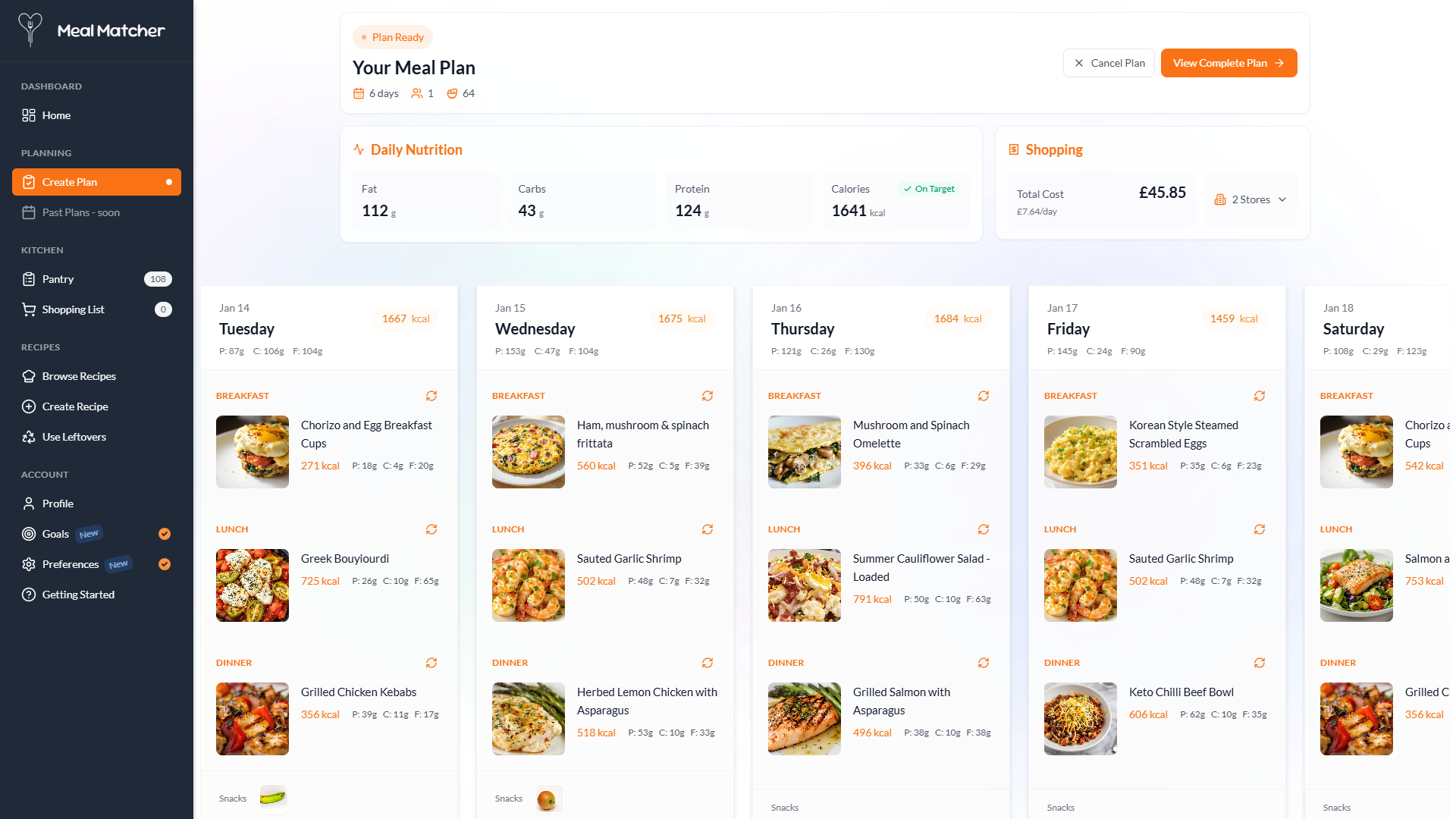
MealMatcher’s shopping list comparator can help you plan a basket that suits your household instead of just chasing headline prices. It is also worth using the broader price-comparison tools when you are deciding between supermarkets, because the best total shop is often the one that matches both price and pack size to the food you will actually use.
Useful MealMatcher tools and guides
- compare the price of a full shopping list
- compare uk supermarket prices easily with our free tool
- uk supermarket price comparison tool vs shopping list app which saves more
- reduce your uk grocery bill 7 ways meal matcher helps you save money
Frequently asked questions
How do I compare pack sizes in UK supermarkets?
Look at both the unit price and the total price on the shelf label. Unit price helps you compare like-for-like, but the total price tells you what you will actually pay at the till. A larger pack can look cheaper per 100g while still being more expensive overall.
When is a bigger pack actually worse value?
A bigger pack is worse value when the extra food is unlikely to be used in time. That often happens with fresh produce, meat, bread and chilled items if your household is small or your meal plans change. In those cases, the cheaper unit price can be cancelled out by waste.
What pack-size traps should I watch for?
Common traps include oversized fresh produce, multipacks you will not finish, and family-size meat or pasta portions that are too much for one or two people. Supermarkets may make these look attractive because the unit price is lower, but only buy them if you can store, cook or freeze the extra.
Are own-brand or value ranges always better for pack sizes?
Not always. Own-brand or value items can still come in sizes that are too large or too small for your needs, so the label matters more than the brand. Compare the pack against how you actually cook and eat rather than assuming the cheapest-looking range is the best fit.
Stop planning meals in your head
Turn what you just read into an actual week of meals.
Meal Matcher builds a personalised week around your calories, diet, allergies and dislikes, then turns it into one organised UK shopping list.