Why ingredient-first recipe search is winning: what UK searchers really mean by
Quick Answer
A good recipe finder should turn ingredients into usable meal ideas fast, with little fuss and no endless scrolling. For UK cooks, the best tools help with what is already in the fridge, what can be bought in one shop, and what fits into a realistic week of cooking and leftovers.
When people type recipe finder, they usually do not want a random recipe blog. They want a quick answer to a plain question: what can I make from what I already have, or what should I buy to make one decent meal without wasting food?
That is why ingredient-first search is getting more useful than broad recipe browsing. It fits the way UK home cooks actually shop, with half-used packs, a tin cupboard that needs using up, and a supermarket run that has to work around what is already in the fridge.
What do people mean when they search forIngredient-led search: matching what is already in the kitchen
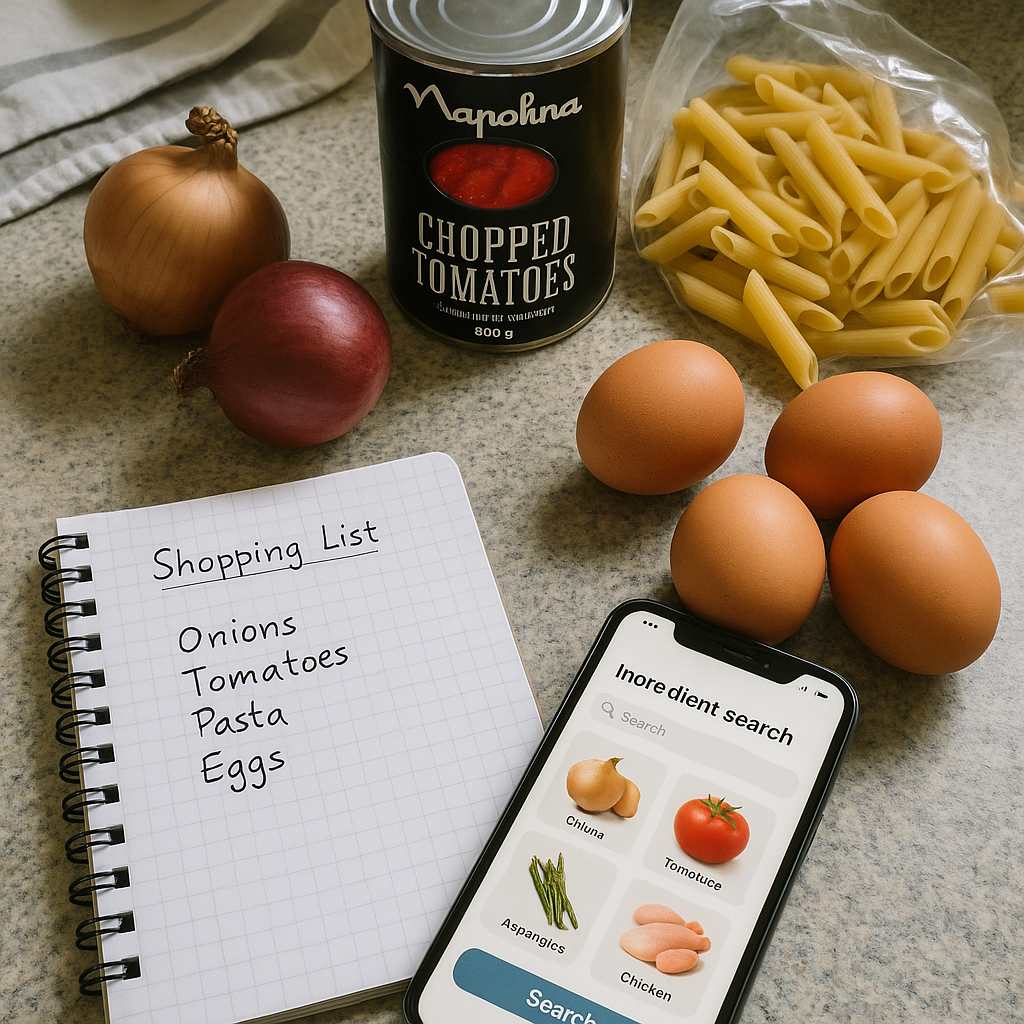
The first and most common recipe-finder intent is simple: someone has ingredients on hand and wants to know what those ingredients can become. That might be a couple of chicken breasts, a tin of beans, a half-used bag of pasta, or vegetables that need cooking before they turn soft. In this mode, the best search starts with ingredients, not with dish names.
This is where generic recipe browsing often slows people down. If you only know what is in the fridge, you do not want to work backwards through pages of “best ever” ideas before you find something usable. An ingredient-first tool saves time by turning a short list into a meal idea that feels realistic for tonight, not just attractive on paper.
“Recipes based on what I have” usually means fewer extra buys
Another common UK search pattern is less about inspiration and more about constraint. People are often trying to avoid a second trip to the shop, so they search for recipes based on what they have rather than starting from a perfect ingredient list. That can mean using up leftover rice, making something from cupboard staples, or filling the gaps with only one or two extra items.
For a UK shopper, this is often about pack sizes as much as ingredients. A recipe that calls for a small amount of one fresh herb, a specific cheese, or a single-use sauce may not be appealing if it leaves the rest to waste. A better recipe finder helps people see whether they can make a meal with what is already there, instead of pushing them into buying a long list for one dish.
Supermarket-aware meal planning is part of the search intent
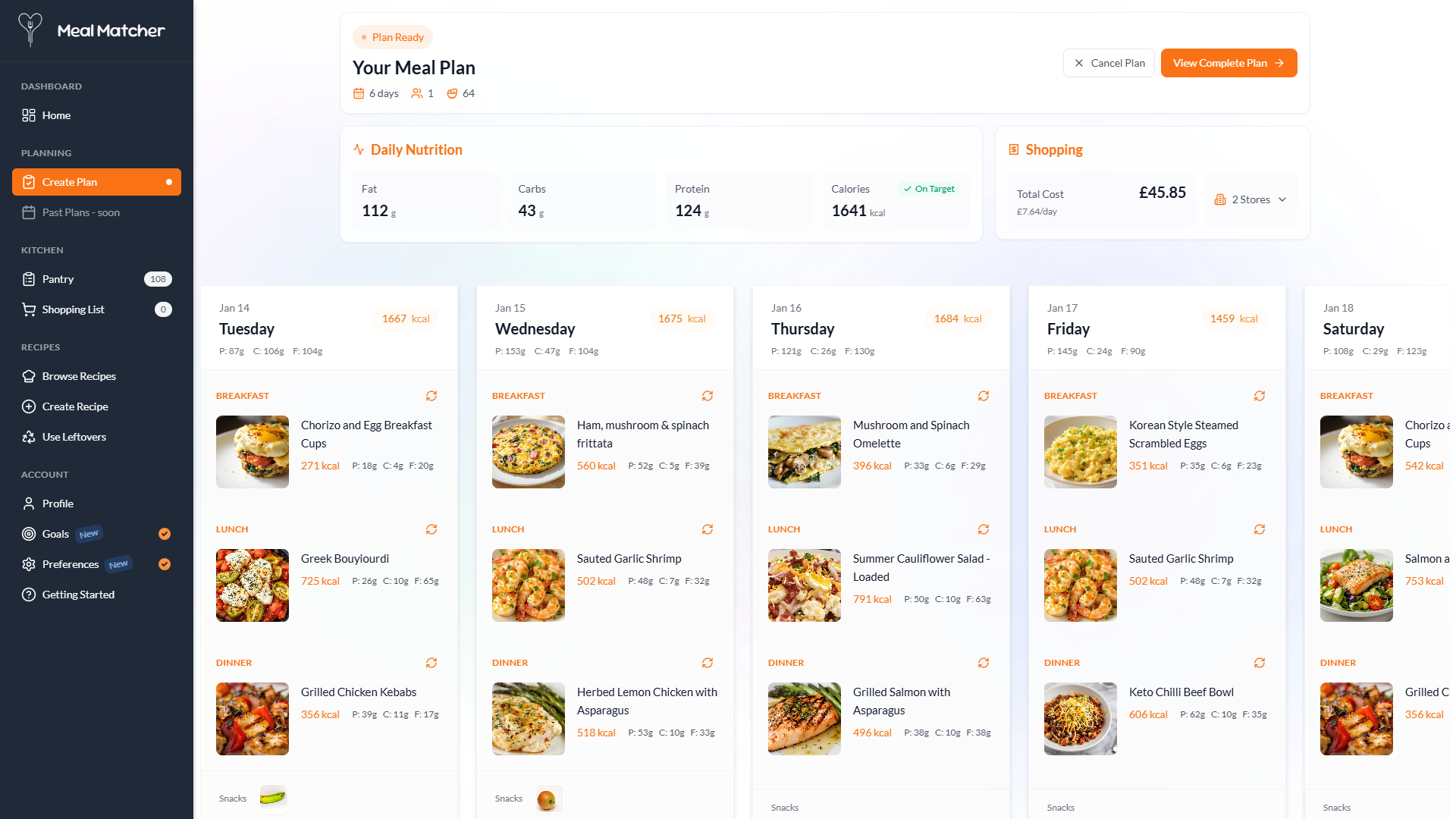
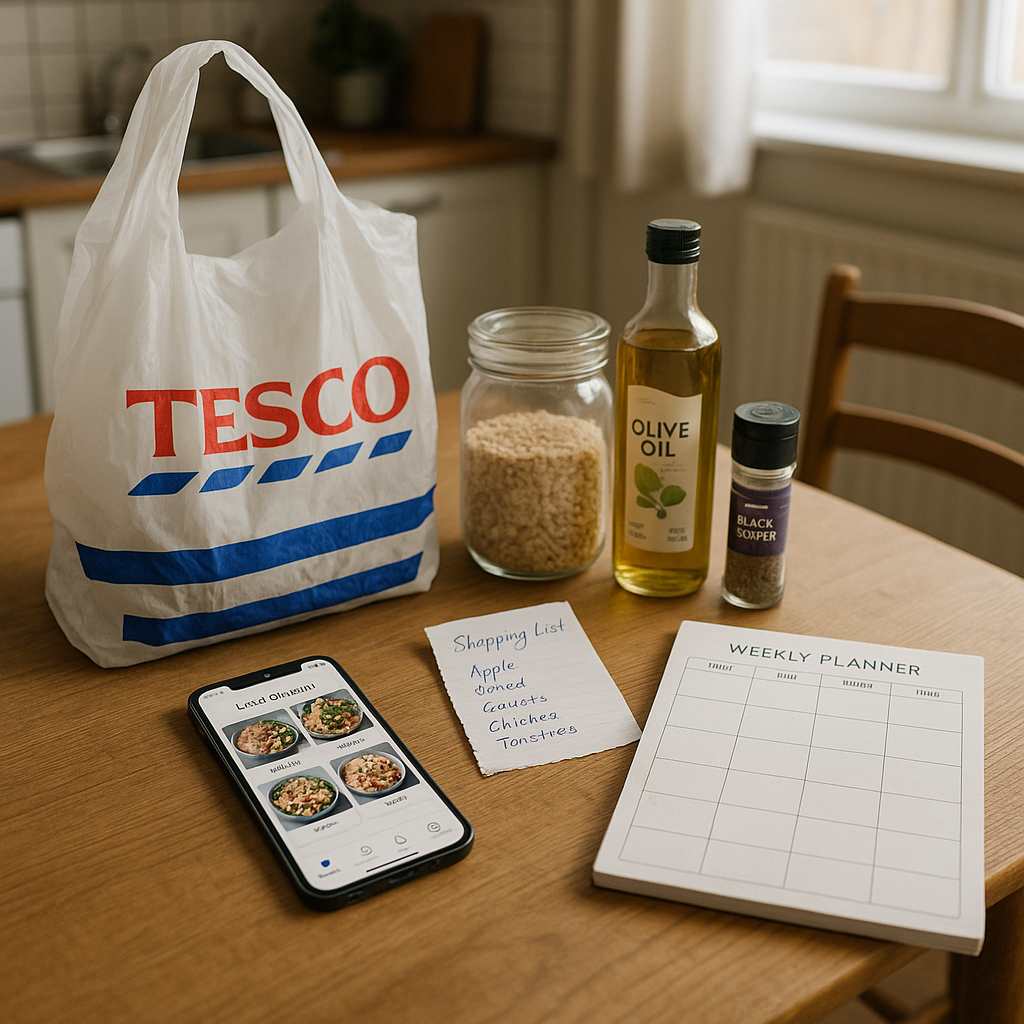
The third bucket is broader than quick recipe discovery. Some users want a recipe finder that helps them plan a meal around a UK supermarket shop, not just around their cupboard. That means thinking about what is easy to buy in one run, what can be combined into several meals, and what makes sense for a week that includes leftovers.
This matters because many UK cooks are not looking for a single perfect recipe; they are looking for a practical shopping decision. A useful tool should help separate ingredients that are already covered from ingredients that still need to be bought, so the final plan fits time and budget as well as taste. That is especially useful when one meal needs to stretch into lunch or when a leftover ingredient should appear again later in the week.
What good ingredient-first tools do better than generic recipe sites
A strong ingredient-first tool answers the real question quickly: what can I make from this? It should accept the ingredients a person actually has, surface meal ideas that fit them, and make it easy to see whether the recipe is likely to need only a few extra items. It should also help the user compare options without forcing a long browse through unrelated dishes.
Generic recipe sites often do the opposite. They can be useful once you already know what you want, but they are less helpful when the main task is decision-making. For UK searchers, the winning experience is usually the one that reduces friction: fewer clicks, fewer unnecessary ingredients, less waste, and a clearer next step from fridge to plate.
Useful MealMatcher tools and guides
- find recipes using ingredients you already have
- compare the price of a full shopping list
- what can i make with these ingredients a practical uk guide to cooking from what you already have
Frequently asked questions
What do UK users usually mean by “recipe finder”?
They are often looking for a fast way to turn ingredients into a meal, not just browse recipes. In practice, that can mean finding recipes from what they already have, or checking what to buy for one straightforward meal.
Why is ingredient-first search better than generic recipe browsing?
Ingredient-first search starts with what is already in the kitchen, so it is quicker when you need a practical answer. Generic recipe sites often make you browse too much before you know whether a recipe fits your ingredients.
What are the main types of recipe-finder intent?
The draft breaks them into three buckets: ingredient-led search, recipes based on what I have, and supermarket-aware meal planning. That covers people who want to use up fridge items, plan around cupboard staples, or shop for a realistic meal.
What should a good ingredient-first tool do?
It should turn ingredients into usable meal ideas quickly and with little fuss. For UK cooks, it should also help with what is already in the fridge, what can be bought in one shop, and what fits into a normal week of cooking and leftovers.
Stop planning meals in your head
Turn what you just read into an actual week of meals.
Meal Matcher builds a personalised week around your calories, diet, allergies and dislikes, then turns it into one organised UK shopping list.